Punjab Chief Minister Bhagwant Mann has firmly declined to repeal or amend the state's anti-sacrilege law, asserting that the legislation is essential for preserving religious harmony and public order. The decision comes amid growing demands from various quarters, including opposition parties and religious groups, who have called for a review of the law, arguing that it is being misused.
Background of the Anti-Sacrilege Law
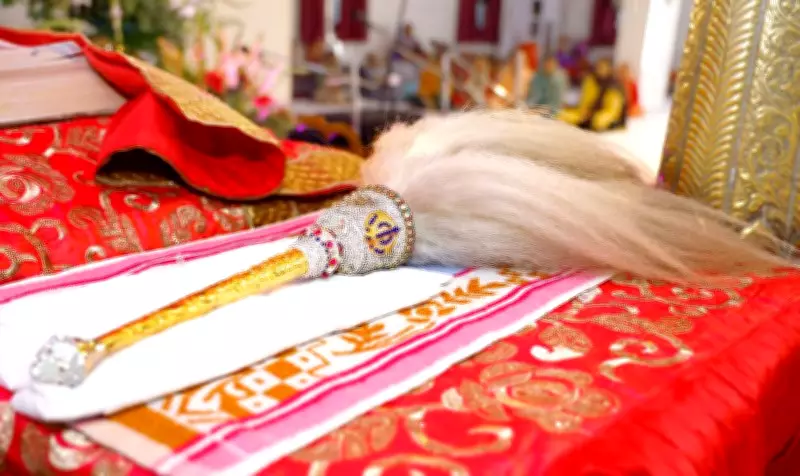
The anti-sacrilege law, enacted in 2018, was introduced to curb acts of desecration of religious texts and places of worship. It prescribes stringent punishments, including life imprisonment, for those found guilty of sacrilege. The law was passed following widespread outrage over incidents of desecration of the Guru Granth Sahib in the state.
CM Mann's Stance
During a press conference in Chandigarh, CM Mann stated that the law is necessary to protect the sanctity of religious scriptures and prevent any attempts to disturb communal peace. He emphasized that the government has no plans to dilute the provisions of the act. "The anti-sacrilege law is a strong deterrent against those who seek to disrupt religious harmony. We will not bow to any pressure to weaken it," Mann said.

Opposition's Reaction
Opposition parties, including the Congress and the Shiromani Akali Dal, have criticized the CM's decision, alleging that the law is being used to target political opponents and suppress dissent. They have demanded a review of the law to prevent its misuse. However, the CM dismissed these allegations, asserting that the law is applied fairly and only against those who commit sacrilege.
Public Response
The decision has elicited mixed reactions from the public. While some sections support the CM's stance, viewing the law as a necessary safeguard, others have expressed concerns about its potential misuse. Religious leaders have also weighed in, with some endorsing the law and others calling for amendments to ensure it is not used vindictively.
Legal Implications
Legal experts point out that any amendment or repeal of the law would require a legislative process. The CM's firm stance indicates that the government is unlikely to initiate any such changes in the near future. This could lead to continued debates and potential legal challenges from those opposing the law.
In conclusion, Punjab Chief Minister Bhagwant Mann's refusal to repeal or amend the anti-sacrilege law underscores the government's commitment to maintaining religious harmony, but it also sets the stage for ongoing political and legal battles over the law's implementation and scope.