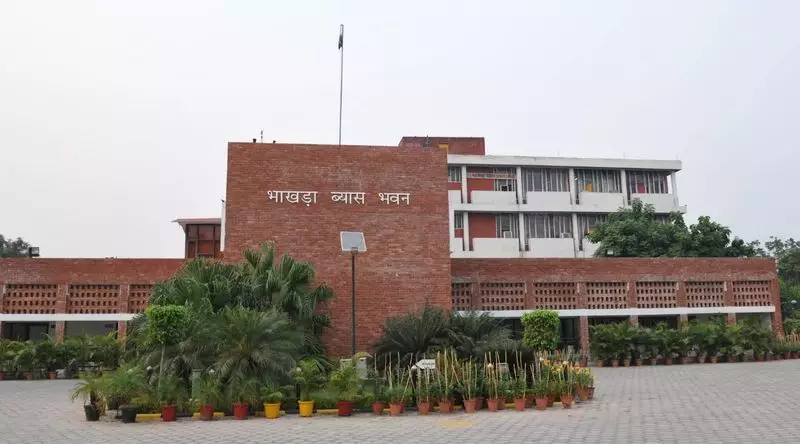
The ambitious plan of the Bhakra Beas Management Board (BBMB) to set up an 18-megawatt solar power project in Punjab's Hoshiarpur district has hit a major roadblock. The project, crucial for boosting renewable energy in the region, has been stalled due to a formal objection raised by the Punjab government.
The Core of the Dispute: Land Lease Terms
The primary point of contention revolves around the terms for leasing the land required for the solar plant. The BBMB had identified and proposed to use land within its own jurisdiction for the project. However, the state government of Punjab has raised a significant objection to the proposed leasing arrangement. The authorities have communicated that the current terms are not acceptable, effectively putting the entire project on hold until a mutually agreeable solution is found.
This development is a setback for the BBMB's strategy to enhance its renewable energy portfolio. The board had been actively working on this 18 MW solar initiative as part of a broader green energy push. The impasse means that the planned generation of clean electricity, which could have powered thousands of homes and reduced carbon emissions, is now delayed indefinitely.

Impact on Renewable Energy Targets
The stalling of this project has direct consequences for renewable energy goals in the area. Solar power is a key component of India's strategy to meet its climate commitments and ensure energy security. Projects like the one planned in Hoshiarpur are essential for transitioning away from fossil fuels. This delay not only affects the BBMB's operational plans but also represents a missed opportunity for Punjab to increase its share of clean energy in the state's power mix.
The objection from the Punjab government highlights the complex interplay between central autonomous bodies and state authorities over resource use and land management. While the BBMB operates the Bhakra and Beas dams and manages associated land, state governments have a vested interest in how such land is utilized, especially for developmental projects. Finding a common ground that satisfies both administrative and financial considerations is often a challenging process.
Looking Ahead: Negotiations and Resolutions
The future of the 18 MW solar project now hinges on successful negotiations between the BBMB and the Punjab government. Both parties will need to revisit the leasing framework to address the state's concerns. Potential solutions could involve revising the lease duration, the financial model, or the specifics of land use rights. Until a revised proposal is drafted and accepted, the project will remain in a state of suspension.
This incident serves as a reminder of the administrative hurdles that can slow down India's renewable energy expansion. For solar power projects to be realized swiftly, a streamlined process for inter-agency cooperation and land allocation is critical. The outcome of this stalemate in Hoshiarpur will be closely watched by other developers and could set a precedent for similar projects on land managed by central boards across different states.
In conclusion, the Punjab government's objection has created an unexpected obstacle for a significant green energy initiative. The resolution of this deadlock will determine not only the fate of 18 MW of solar capacity but also signal how effectively India can navigate federal complexities to achieve its sustainable energy ambitions.