Punjab Sacrilege Cases Relocated to Chandigarh High Court in Major Judicial Shift
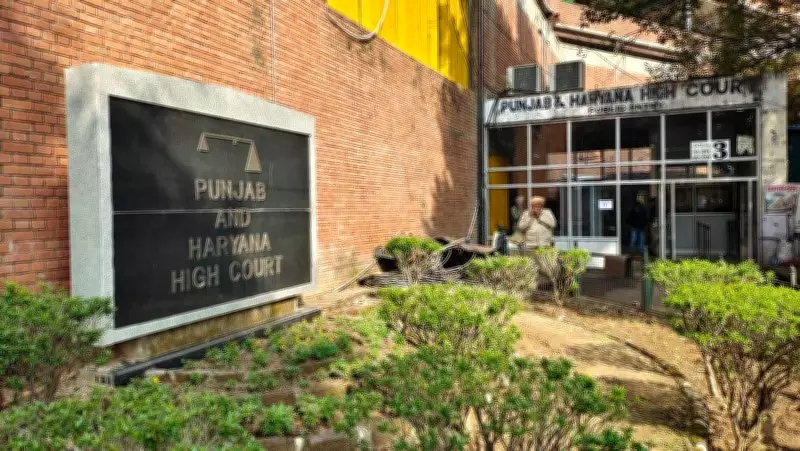
In a significant development impacting the legal landscape of Punjab, the Punjab and Haryana High Court has ordered the transfer of all sacrilege-related cases to Chandigarh. This decision, aimed at enhancing judicial efficiency and security, also includes moving the trials linked to the Kotkapura FIR out of Faridkot district. The move comes amidst ongoing investigations into incidents of sacrilege that have sparked widespread protests and political tensions in the state over recent years.
Details of the Judicial Transfer and Its Implications
The court's directive mandates that cases pertaining to sacrilege, which involve sensitive religious and communal dimensions, will now be heard in Chandigarh. This relocation is expected to streamline proceedings and ensure a more secure environment for trials, given the volatile nature of these cases. Specifically, the Kotkapura FIR trials, which are central to the sacrilege investigations, have been shifted away from Faridkot, a region that has been a focal point of unrest related to these incidents.
Authorities have cited multiple reasons for this transfer:

- Enhanced security measures to protect witnesses, lawyers, and judicial personnel involved in the high-profile cases.
- Improved judicial infrastructure in Chandigarh, which is better equipped to handle complex and sensitive legal matters.
- Reduction of local biases and pressures that may arise in Faridkot, ensuring a fair and impartial trial process.
Background on the Sacrilege Cases and Kotkapura FIR
The sacrilege cases in Punjab stem from incidents involving the desecration of religious texts and sites, which have led to massive public outcry and political fallout. The Kotkapura FIR, filed in connection with these events, has been a key element in the investigations, with allegations against various individuals and groups. Trials related to this FIR were previously conducted in Faridkot, but concerns over safety and procedural delays prompted the high court to intervene.
This transfer is seen as a proactive step to address these challenges, with legal experts noting that it could expedite the resolution of long-pending cases. The move aligns with broader efforts to uphold the rule of law and maintain public trust in the judicial system during contentious times.
Reactions and Future Outlook
Stakeholders, including political parties, religious organizations, and civil society groups, have expressed mixed reactions to the transfer. While some welcome it as a move towards greater transparency and efficiency, others raise concerns about accessibility for local communities in Faridkot. The high court has assured that necessary arrangements will be made to facilitate participation from all parties, including virtual hearings if required.
Looking ahead, this judicial shift is expected to set a precedent for handling sensitive cases in Punjab and beyond. It underscores the importance of adapting legal frameworks to meet evolving security and administrative needs, particularly in matters with deep social and religious implications.