Punjab Transport Strike Paralyzes Public Services Amid Privatization Dispute
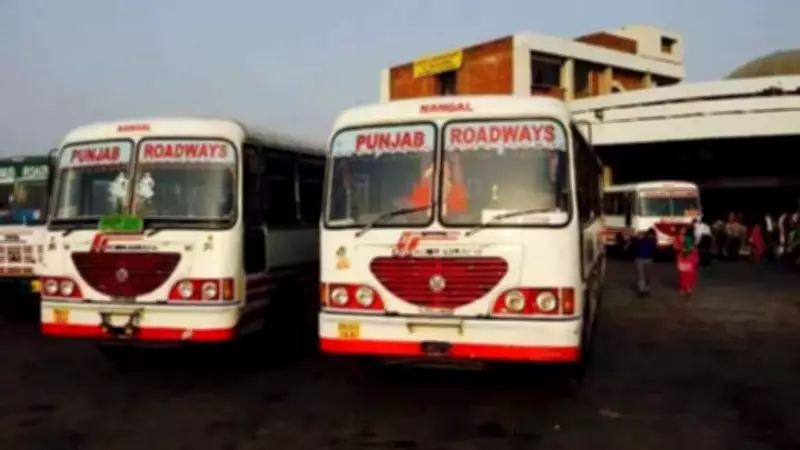
Public transport across Punjab faced severe disruption on Wednesday as workers from Punjab Roadways, PUNBUS, and PRTC Contract Workers Union observed a complete 'Chakka Jam' strike starting from the afternoon. The industrial action was called to protest the continued incarceration of union members and the state government's perceived shift toward privatization of public transport services.
Escalation of Union Protests
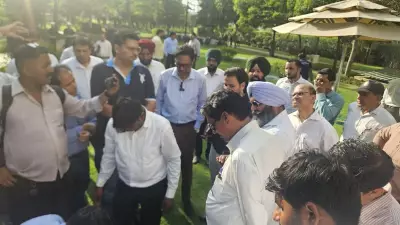
The strike represents a significant escalation following a series of state-wide gate rallies held on Monday. Union leader Harkesh Kumar Vicky explained that the decision to launch the strike came after a meeting between union leaders and the state government panel in Chandigarh failed to produce any meaningful resolution, despite ongoing discussions about their demands.
"The Aam Aadmi Party government in Punjab is clearly shifting toward a pro-corporate agenda," Vicky asserted. "Our main point of contention remains the kilometer scheme, under which the state government has been hiring private buses to operate on government routes. This represents a backdoor entry for private players that will eventually dismantle Punjab's entire public transport infrastructure."

Key Demands and Government Response
The union has presented several key demands to the state administration:
- Immediate release of union members who have been jailed for over 70 days following their arrest during earlier protests
- Complete withdrawal of the kilometer scheme that allows private buses on government routes
- Cancellation of recent tenders floated for buses under the kilometer scheme
- Proper investment in the state's public transport fleet instead of privatization
According to union representatives, the protest gained significant momentum after the arrest of several union activists nearly two months ago. These members face severe charges, including attempt to murder, stemming from previous demonstrations. The union alleges that the government has been using these legal cases as leverage to silence dissent, with officials reportedly telling union leaders that their colleagues would only be released if they stopped criticizing the administration.
Impact on Daily Commuters
The systematic suspension of bus services across all major depots on Wednesday created widespread difficulties for hundreds of daily commuters. Students and women who rely on the state's free travel scheme were particularly affected by the transport paralysis.
Yogesh Kumar, a stranded commuter, described the situation: "Private buses are dangerously overloaded in the absence of government buses, and commuters are facing harsh conditions, especially women. The government should intervene immediately to resolve this matter and restore public sector bus services. I needed to travel to Rampura Phul, but the absence of buses and overcrowded private alternatives has left us completely stranded."
Broader Implications for Public Transport
The union has raised serious concerns about the long-term implications of the government's policies. They note that Punjab's state transport fleet already operates significantly below its sanctioned strength, and implementing the kilometer scheme without adding new government buses would further strain the public exchequer.
Following the successful implementation of the Chakka Jam, union members have announced a complete strike and plan to hold a massive protest rally at the residence of Chief Minister Bhagwant Mann on Thursday. This escalation indicates that the transport crisis in Punjab may continue unless the government addresses the union's fundamental concerns about privatization and the treatment of jailed union members.
The standoff represents a critical test for the AAP government's transportation policies and its relationship with public sector workers, with thousands of commuters caught in the middle of this escalating labor dispute.