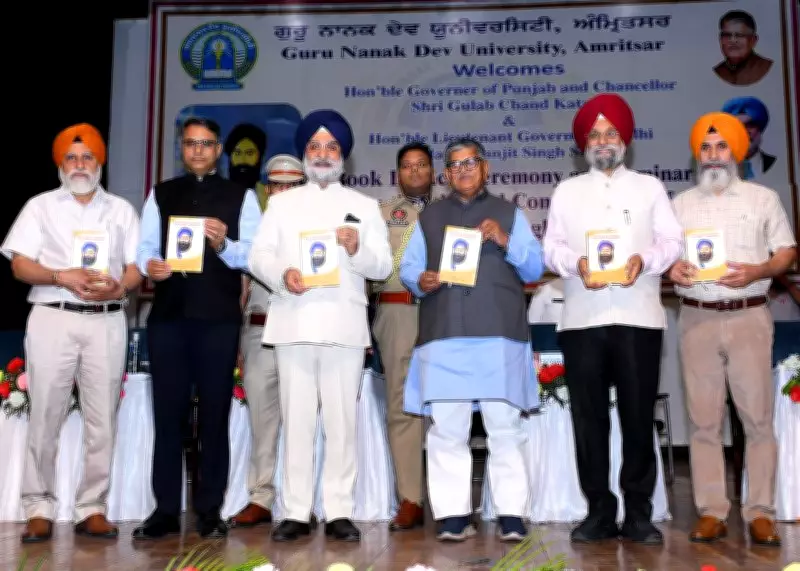
In the annals of Punjab's history, few figures stand as tall as Teja Singh Samundri, a man whose life was a testament to unwavering rebellion and deep-seated conscience. Born in 1882 in the village of Samundri, now in Pakistan, he emerged as a prominent leader in the struggle for Sikh rights and social reform during the early 20th century.
Early Life and Influences
Samundri's formative years were shaped by the socio-political turmoil of colonial India. He was deeply influenced by the Singh Sabha movement, which sought to revive Sikh identity and counter the proselytizing activities of Christian missionaries and Hindu reformists. His education at the Khalsa College, Amritsar, further honed his oratory skills and deepened his commitment to the Sikh community.
Role in the Gurdwara Reform Movement
Samundri's most significant contribution came during the Gurdwara Reform Movement (1920-1925). He was a key figure in the Shiromani Gurdwara Parbandhak Committee (SGPC) and the Shiromani Akali Dal, advocating for the liberation of gurdwaras from corrupt mahants (priests) who were loyal to the British. His fiery speeches and organizational skills galvanized the masses, leading to the passage of the Sikh Gurdwaras Act of 1925, which gave control of historical gurdwaras to the Sikh community.

Advocacy for Social Justice
Beyond religious reform, Samundri was a vocal advocate for social justice. He championed the cause of the downtrodden, including lower-caste Sikhs and women. He criticized the caste system within Sikhism and pushed for equal rights in religious and social spheres. His efforts laid the groundwork for progressive reforms in the community.
Imprisonment and Sacrifice
Samundri's activism came at a great personal cost. He was arrested multiple times by the British authorities and spent years in prison. Despite harsh conditions, he remained steadfast in his principles. His health deteriorated during his incarceration, but his spirit never wavered. He passed away in 1937, leaving behind a legacy of courage and determination.
Legacy and Commemoration
Today, Teja Singh Samundri is remembered as a rebel conscience of Punjab. His life continues to inspire activists and historians alike. In Amritsar, events are held to commemorate his contributions, and his writings are studied for their insight into the socio-political landscape of his time. His vision of a just and equitable society remains relevant in contemporary discussions on identity and rights.
As we remember Teja Singh Samundri, we honor not just a historical figure, but a symbol of resistance against oppression and a beacon for future generations. His story is a reminder that the fight for justice is timeless, and that one individual's conscience can indeed change the world.