

Telangana Chief Minister Initiates Musi River Rejuvenation with Temple Complex Foundation
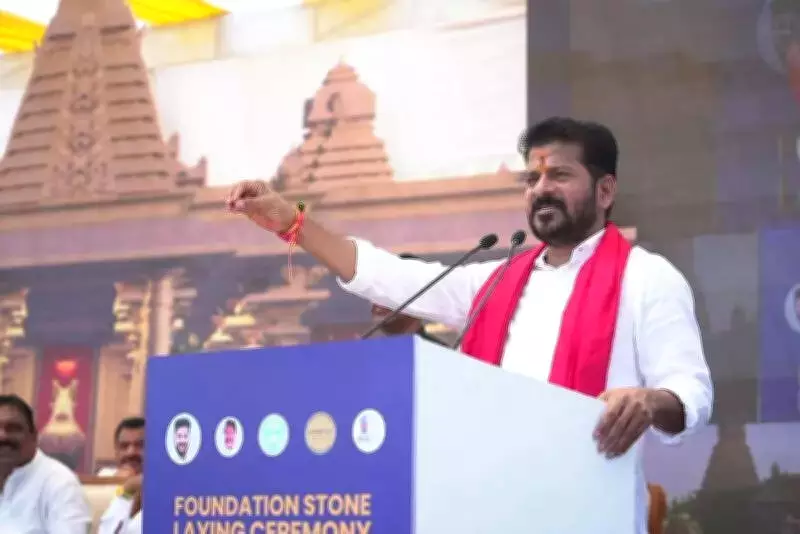
In a significant move aimed at environmental and cultural revival, Telangana Chief Minister A Revanth Reddy laid the foundation stone for the reconstruction of the Machileshwara Veerabhadra Swamy and Omkareshwara Swamy temple complex on Saturday. The ceremony took place on the banks of the Musi river at Manchirevula near Gandipet, officially launching the ambitious Musi rejuvenation project.
Historical and Cultural Significance of the Temple Project
The Omkareshwara temple is set to be modeled on the historic Ramappa temple, reflecting a deep commitment to preserving architectural heritage. Chief Minister Reddy announced plans to develop the site as 'Dakshina Kashi,' or the Kashi of the south, by constructing Shiva temples across an eight-acre area. This initiative, with an estimated cost of 700 crore rupees, acknowledges the region's rich history spanning nearly 1,400 years. Deputy Chief Minister Bhatti Vikramarka joined Reddy in the foundation-laying ceremony, which was conducted amidst traditional Vedic chants.
Political Dynamics and Strategic Implications
The commencement of the Musi project with temple works is viewed as a strategic maneuver by the Congress government, particularly in light of opposition from the BRS and BJP parties. Reddy emphasized that this project is not driven by electoral motives or financial gains. "This project is neither for votes nor notes. I am giving my word that we will not seek votes in the name of the temple or the project and appeal to the opposition not to oppose the project," he stated during his address to the gathering. He warned that any party opposing the development could face social backlash, indirectly referencing the BRS.

Inclusive Development and Multi-Faith Structures
Highlighting Hyderabad's reputation for communal harmony, Chief Minister Reddy outlined plans to reflect this diversity in the Musi project. In addition to the Hindu temples, the project will include the construction of a grand mosque in the Puranapul-Charminar area, a glorious gurudwara in the Gowliguda-Sikh Chawni area, and a church at Nagole. These structures are intended to symbolize unity and inclusivity along the river stretch, drawing parallels to historic sites like Mecca Masjid, the Golden Temple, and the Medak church.
Legal Challenges and Environmental Concerns
The Musi river development has faced legal hurdles, with a case filed in the National Green Tribunal (NGT). Reddy attributed this to the son of a local BRS MLA, Sabitha Indra Reddy, whom he referred to as "akka" (sister). He appealed for the withdrawal of the case, cautioning that failure to do so might lead to social boycott. "This akka has enjoyed all posts, including that of cabinet minister due to the blessings of the people. Now, she and her son are going against the will of the people to cleanse Musi," he remarked, urging cooperation for the project's success.
Commitment to Project Completion and Historical Context
Revanth Reddy expressed unwavering determination to proceed with the Musi project, describing it as a "Shiva deeksha" or vow to Lord Shiva. He referenced how civilizations have historically flourished near rivers and stressed the importance of preventing Hyderabad from facing pollution issues similar to Delhi. Despite previous governments' attempts to revive the Musi river, which failed due to various reasons, Reddy expressed confidence in overcoming obstacles. "We consider it is our good fortune to have got the opportunity to develop the Musi riverfront. I am confident that God will clear all hurdles created by the opposition parties and that we will complete the project," he concluded, underscoring a blend of spiritual faith and administrative resolve.






