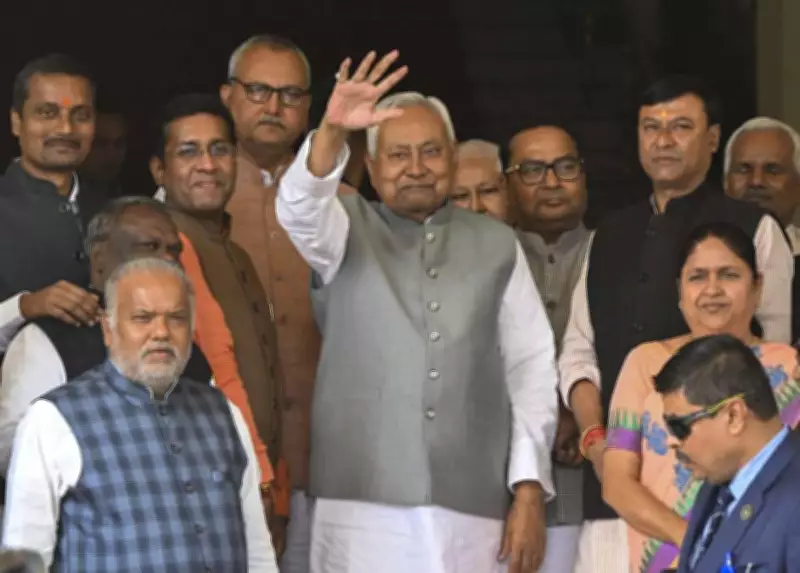
RJD Alleges 'Shinde Model' Tactics in Bihar, Questions Authenticity of Nitish Kumar's Tweet
The Rashtriya Janata Dal (RJD) has launched a sharp accusation against the ruling coalition in Bihar, alleging that a 'Shinde model' is being employed in the state. This claim centers on a recent social media post by Chief Minister Nitish Kumar, which the RJD insists was not written or posted by him personally. The allegation has ignited a fresh wave of political controversy, raising questions about transparency and autonomy within the state's governance.
Details of the Controversial Tweet
According to RJD sources, a tweet attributed to Nitish Kumar surfaced online recently, but the party contends that the content and its publication were handled by aides or external forces without the Chief Minister's direct involvement. This mirrors the so-called 'Shinde model', a term referencing political maneuvers where leaders' public communications are allegedly controlled or manipulated by others, akin to strategies observed in other states.
The RJD has pointed to inconsistencies in the tweet's language and timing, suggesting it does not align with Nitish Kumar's typical communication style or known positions. This has led to speculation about internal dynamics within the ruling alliance, potentially indicating shifts in power or influence behind the scenes.
Political Implications and Reactions
The accusation comes at a sensitive time in Bihar politics, with the RJD seeking to capitalize on perceived weaknesses in the current administration. By highlighting this issue, the party aims to undermine the credibility of Nitish Kumar and his coalition, portraying them as lacking authenticity and being susceptible to external control.
Key points raised by the RJD include:
- Lack of Direct Involvement: The party asserts that Nitish Kumar did not personally draft or approve the tweet in question.
- Pattern of Behavior: They claim this incident is part of a broader trend where the Chief Minister's public statements are managed by others.
- Call for Transparency: The RJD has demanded an investigation into the matter, urging the government to clarify the authorship and posting process of official communications.
In response, supporters of Nitish Kumar have dismissed the allegations as baseless political mudslinging, arguing that the Chief Minister maintains full control over his social media accounts and public messages. They accuse the RJD of fabricating controversy to distract from substantive issues and gain political mileage ahead of upcoming elections or legislative sessions.
Broader Context and Analysis
This incident sheds light on the evolving nature of political communication in India, where social media plays a pivotal role in shaping public perception. The 'Shinde model' reference draws parallels to other states where similar accusations have been made, suggesting a potential pattern in regional politics. Analysts note that such controversies can impact voter trust and influence electoral outcomes, making them a focal point for opposition strategies.
Furthermore, the debate touches on larger themes of governance and accountability. If proven true, the allegations could signal a concerning trend of diminished autonomy for elected leaders, raising ethical questions about the integrity of public discourse. As the situation unfolds, it is likely to remain a hot topic in Bihar's political landscape, with both sides preparing for further confrontations.
In summary, the RJD's claims have added a new dimension to Bihar's political narrative, emphasizing the need for clarity and honesty in leadership communications. Whether this leads to tangible changes or fades as a temporary scandal, it underscores the intense scrutiny faced by public figures in today's digital age.