Weak Enforcement of Polythene Ban in Rohtak Sparks Environmental Alarm
In a concerning revelation, the implementation of the polythene ban in Rohtak, Haryana, has been largely ineffective, with authorities imposing fines on a mere 406 shopkeepers over the past three years. This minimal enforcement highlights significant gaps in the fight against plastic pollution in the region.
Limited Penalties Despite Widespread Violations
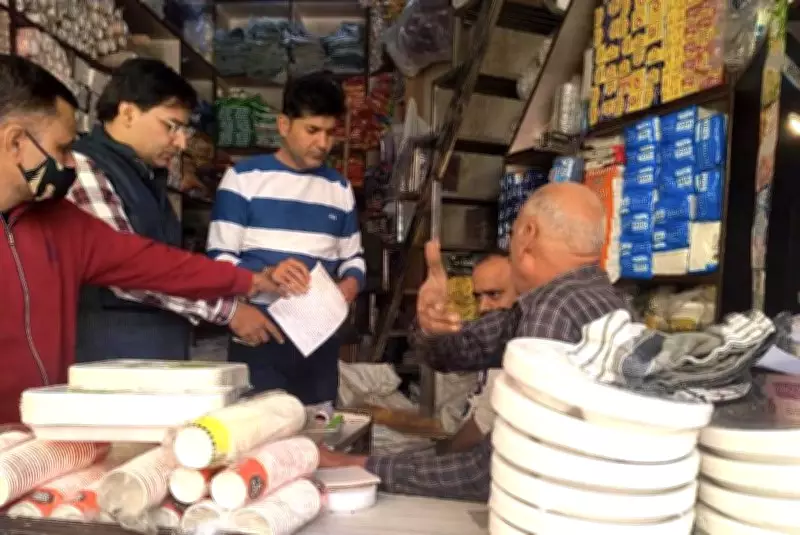
Since the ban was introduced, only 406 shopkeepers have faced financial penalties for using or distributing banned polythene bags. This low number of fines suggests that many violations are going unchecked, undermining the ban's intended environmental benefits. Local officials have acknowledged the challenges in monitoring and penalizing offenders across the city's numerous markets and commercial areas.
Environmental and Health Risks Persist
The continued use of polythene poses serious threats to Rohtak's ecosystem and public health. Non-biodegradable plastic waste clogs drainage systems, contaminates soil, and harms wildlife. Residents report seeing discarded polythene bags littering streets and water bodies, indicating that the ban has not curbed usage effectively. Health experts warn that plastic pollution can lead to long-term environmental degradation and health issues for the community.

Calls for Stricter Enforcement and Public Awareness
Environmental activists and concerned citizens are urging the Haryana government to ramp up enforcement efforts. They recommend increasing inspections, imposing heavier fines, and launching public awareness campaigns to educate shopkeepers and consumers about the ban's importance. Some suggest involving local communities in reporting violations to improve compliance.
Key Points:- Only 406 shopkeepers fined in Rohtak over three years under the polythene ban.
- Weak enforcement raises doubts about the ban's effectiveness in reducing plastic pollution.
- Environmental and health risks continue due to persistent polythene use.
- Activists call for stricter penalties and better public outreach to ensure compliance.
This situation underscores the need for a more robust approach to environmental regulations in Haryana, as lax enforcement could set a precedent for other regions grappling with plastic waste management.