

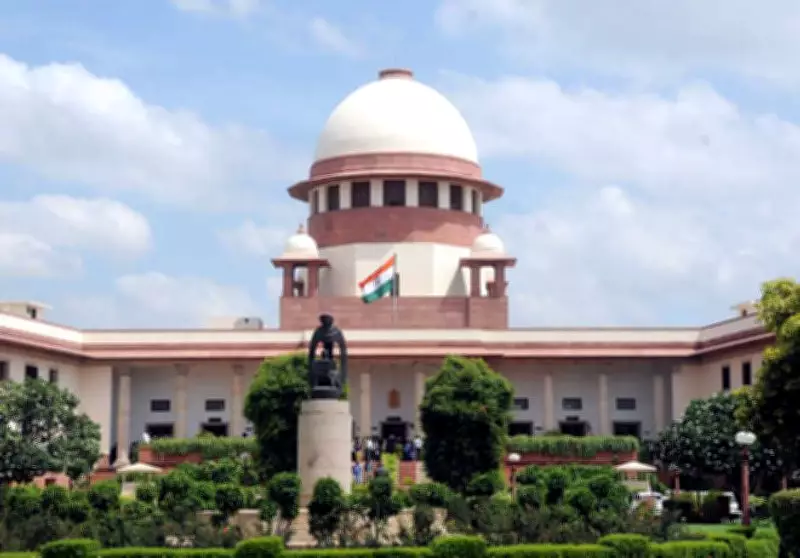
Supreme Court Upholds Haryana's 2014 Regularization Policy for Contractual Employees
In a landmark decision, the Supreme Court of India has upheld the validity of Haryana's 2014 regularization policy, ensuring that thousands of contractual employees can continue in their regular service positions. This ruling provides long-term job security and stability for workers who have been serving in various government departments under temporary contracts.
Background and Legal Challenge
The Haryana government introduced the regularization policy in 2014 to address the employment status of contractual workers who had been engaged for extended periods. The policy aimed to convert their temporary roles into regular, permanent positions, offering benefits such as pensions, job security, and other entitlements. However, the policy faced legal challenges from various quarters, including petitions questioning its fairness and implementation.
Over the years, the case moved through different judicial levels, with arguments centered on whether the policy complied with constitutional principles and labor laws. The Supreme Court's recent verdict puts an end to this prolonged legal battle, affirming the policy's legality and its application to eligible employees.

Impact on Employees and Government
For the affected employees, this decision is a major relief. Many have been working in roles such as clerks, drivers, and support staff without the assurance of permanent employment. The regularization means they will now enjoy the same rights and benefits as other regular government employees, including fixed salaries, promotions, and retirement benefits. This move is expected to boost morale and productivity among the workforce.
From the government's perspective, the ruling helps streamline administrative processes and reduces litigation costs. It also sets a precedent for other states dealing with similar issues of contractual employment in the public sector. The Haryana administration has welcomed the verdict, stating it aligns with their commitment to worker welfare and efficient governance.
Key Aspects of the Regularization Policy
The 2014 policy includes several criteria for eligibility, such as:
- Minimum service period: Employees must have completed a specified number of years in contractual roles.
- Performance evaluation: Regular assessments to ensure employees meet job requirements.
- Departmental approval: Final regularization subject to clearance from respective government departments.
These measures aim to balance employee rights with administrative efficiency, ensuring that only deserving candidates are regularized. The Supreme Court emphasized that the policy is fair and does not violate any constitutional provisions, thereby dismissing the challenges against it.
Broader Implications and Future Outlook
This verdict could influence similar cases across India, where contractual employment is prevalent in government sectors. It highlights the judiciary's role in protecting worker rights and promoting social justice. Experts suggest that other states may review their own policies to align with this precedent, potentially leading to more regularizations nationwide.
Looking ahead, the Haryana government is expected to expedite the implementation process, ensuring that all eligible employees are regularized without delay. This decision not only secures livelihoods but also reinforces the importance of stable employment in fostering economic growth and social harmony.






