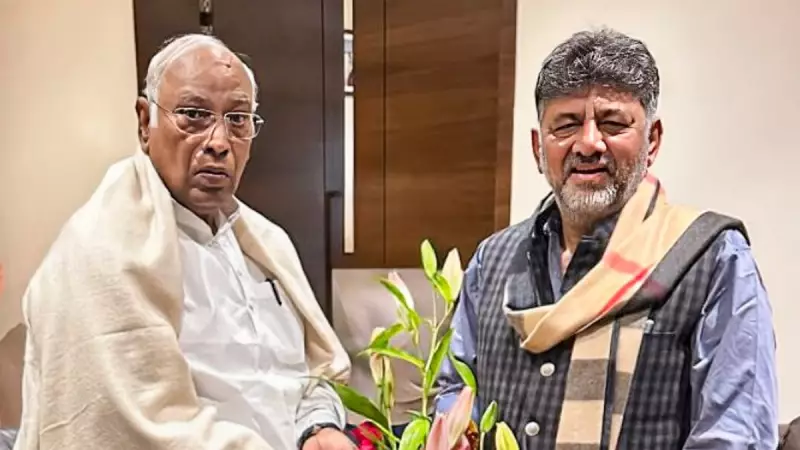
Fresh political speculation has emerged in Karnataka following a significant meeting between Deputy Chief Minister D K Shivakumar and Congress President Mallikarjun Kharge. The encounter, which took place on December 25, 2025, came just a day after Shivakumar's visit to the national capital, Delhi, adding fuel to ongoing discussions about the state's internal power dynamics.
A Meeting That Fuels Speculation
The private discussion between the two senior Congress leaders has immediately become a focal point for political observers across the state. While the official agenda of the meeting was not publicly disclosed, its timing and context have led to widespread analysis. It occurs against the persistent backdrop of a perceived leadership tussle between Deputy CM Shivakumar and the state's Chief Minister, Siddaramaiah.
This is not the first instance where interactions between top Congress figures have been scrutinized for clues about the balance of power in Karnataka. The party has historically managed a delicate equilibrium between its prominent leaders in the state. Shivakumar's direct engagement with the national party president, bypassing the typical channels, is seen by many as a move of considerable political significance.
The Delhi Visit and Its Aftermath
Shivakumar's trip to Delhi, which preceded the meeting with Kharge, is itself a subject of keen interest. Although the details of his engagements in the capital remain unclear, the sequence of events—a Delhi visit followed swiftly by a meeting with the party chief—suggests coordinated political activity. Analysts are connecting these dots to understand the broader strategy within the Congress party regarding its Karnataka unit.
The relationship between Siddaramaiah and Shivakumar has been a defining feature of Karnataka's political landscape since the Congress formed the government. Both leaders command substantial support bases and have distinct political styles. Any direct communication from Shivakumar to the high command is therefore interpreted through the lens of this ongoing internal dynamic.
Implications for Congress and Karnataka Governance
The immediate consequence of this meeting is a renewed wave of speculation regarding potential shifts in responsibility or influence within the state government. Political watchers are asking whether this indicates a routine administrative discussion or signals a more substantive political maneuver. The lack of an official statement from either side only amplifies the conjecture.
For the Congress party, managing the aspirations of its top leaders in key states like Karnataka is crucial for maintaining stability and ensuring a united front. The party high command, led by Kharge, often plays the role of mediator and strategist. This meeting underscores the central leadership's continuous involvement in state-level affairs, especially in regions where the party is in power.
Looking ahead, the political fallout from this encounter will be closely monitored. It may influence administrative decisions, party appointments, and the overall cohesion of the government. The focus now shifts to whether this meeting leads to any visible changes in the state's political structure or if it remains a part of the ongoing dialogue within the party's upper echelons.