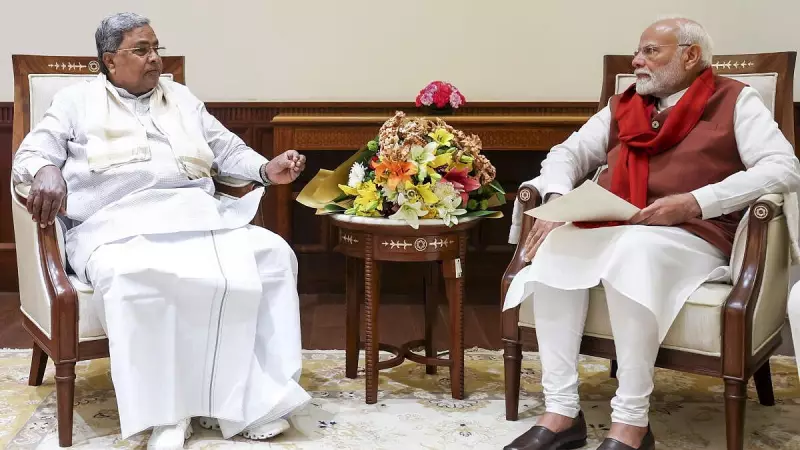
Karnataka Chief Minister Siddaramaiah has made a direct appeal to Prime Minister Narendra Modi, urging the central government to share the revenue collected from the cess on pan masala and similar products. This call comes as the state grapples with a significant financial gap, highlighting a growing tension in federal fiscal relations.
A Major GST Compensation Shortfall
The core of the Chief Minister's argument revolves around a substantial shortfall in Goods and Services Tax (GST) compensation. Siddaramaiah has flagged that Karnataka is facing a GST compensation shortfall of approximately Rs 9,000 crore. This gap places a severe strain on the state's finances, limiting its ability to fund essential development projects and welfare schemes.
In his communication, the Chief Minister emphasized that the financial burden of this shortfall is being borne entirely by the states. He contrasted this with the central government's position, which he stated "is likely to be revenue-positive" due to the levy of excise duty on tobacco and the cess imposed on pan masala.
The Demand for a Fair Share of Cess Revenue
Siddaramaiah's appeal centers on the principle of equitable revenue sharing. The cess on pan masala and the excise duty on tobacco are significant sources of income for the central exchequer. The Karnataka CM argues that since states are facing a crunch due to the GST compensation gap, it is only fair that the union government shares a portion of this specific cess revenue to help bridge the deficit.
The issue points to a larger debate on fiscal federalism in India, especially concerning the post-GST compensation period. States have repeatedly expressed concerns about revenue stability, and Karnataka's demand brings this discussion to the forefront once again.
Broader Implications for State Finances
This development, reported on December 5, 2025, is not just a Karnataka-centric issue. It has potential ramifications for all Indian states. The outcome of this appeal could set a precedent for how similar fiscal challenges are addressed in the future.
The key points of contention are clear:
- State Burden: States are absorbing the impact of the GST revenue shortfall.
- Central Gain: The union government is seen as benefiting from specific cesses.
- Call for Equity: The demand is for a more balanced distribution of certain central tax revenues to alleviate state-level financial stress.
As the dialogue continues, all eyes will be on the central government's response to this direct request from one of India's major economic states. The resolution will significantly influence Karnataka's budgetary planning and could redefine aspects of centre-state financial relations.