

West Bengal Assembly Elections 2026: SIR Emerges as New Axis of Polarization
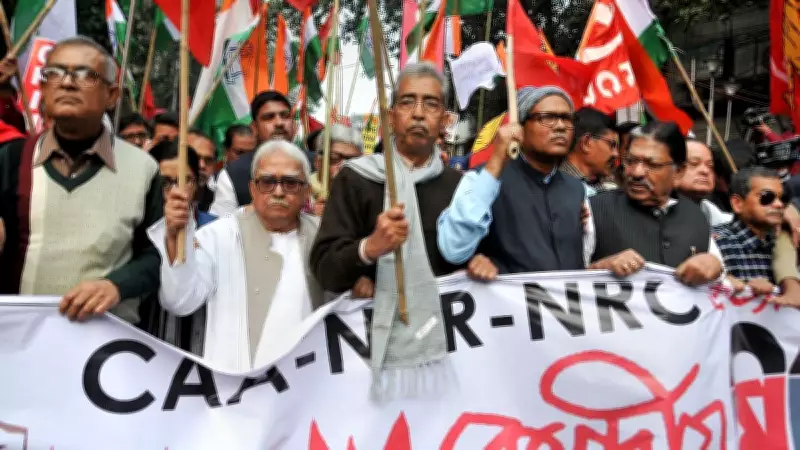
As the West Bengal Assembly elections of 2026 approach, significant political shifts are unfolding in the state. Beyond the longstanding debates over the Citizenship Amendment Act (CAA) and the National Register of Citizens (NRC), a new factor is gaining prominence: the Special Intensive Revision (SIR). This issue is emerging as a fresh axis of polarization, potentially reshaping voter dynamics and electoral strategies.
Rise of Independent Muslim Political Spaces
In this evolving landscape, smaller political outfits are actively working to carve out independent Muslim political spaces. The Indian Secular Front (ISF), along with new formations led by leaders such as Humayun Kabir, is at the forefront of this movement. These groups aim to represent Muslim interests more directly, challenging the dominance of established parties and adding complexity to the state's political fabric.
Signs of Churn Ahead of 2026

Ahead of the 2026 polls, signs of churn are becoming increasingly evident. The emergence of SIR as a polarizing issue reflects broader societal tensions and could influence key electoral battlegrounds. Political analysts note that this development, combined with the efforts of groups like ISF, may lead to a more fragmented vote share, impacting the overall outcome of the elections.
Implications for West Bengal's Political Future
The convergence of SIR-related polarization and the rise of independent Muslim political actors suggests a potentially volatile election season. As parties adjust their campaigns to address these new dynamics, voters in West Bengal are likely to face a complex array of choices, with issues of identity, citizenship, and representation taking center stage.






