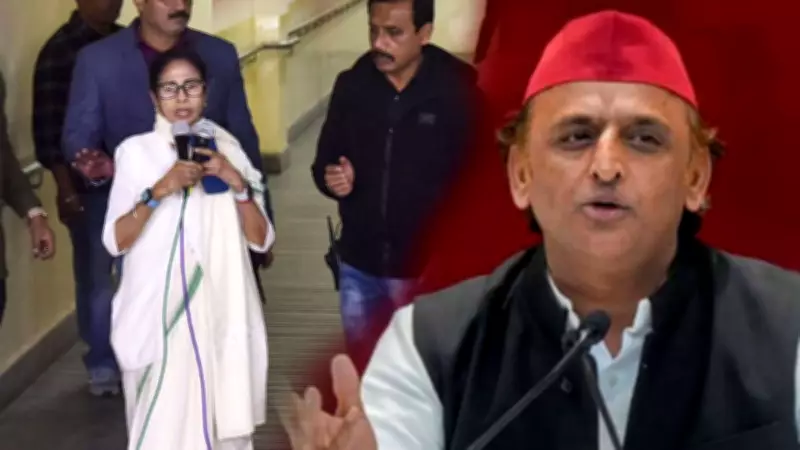
The Samajwadi Party (SP) has decided to terminate its proposed alliance with the Indian Political Action Committee (I-PAC) for the upcoming 2027 Uttar Pradesh Assembly elections. This strategic retreat comes as a result of a combination of legal troubles, poor electoral performance, and growing internal unease about relying on external political consultancies.
ED Arrest Triggers Uncertainty
The immediate catalyst for the breakup was the arrest of I-PAC director Vinesh Chandel by the Enforcement Directorate (ED) in connection with a money laundering case. The arrest has cast a shadow over the firm's operations and raised questions about its legal standing, making it a liability for the SP ahead of a crucial election.
Electoral Setbacks Raise Doubts
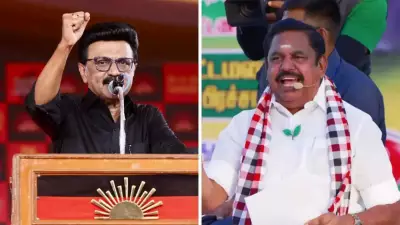
Beyond the legal issues, SP leaders pointed to I-PAC's lackluster results in recent state elections. The consultancy had worked with West Bengal Chief Minister Mamata Banerjee's Trinamool Congress and the DMK in Tamil Nadu, but failed to deliver decisive victories. These underwhelming outcomes fueled skepticism within the SP about the effectiveness of external strategists.

Internal Concerns Over Reliance on Outsiders
There has been growing discontent among SP's grassroots workers and senior leaders about the party's dependence on I-PAC for campaign strategy and messaging. Many felt that the party's internal cadre and traditional feedback mechanisms were being sidelined, leading to a disconnect with ground realities. Akhilesh Yadav, the SP chief, has been under pressure to revert to a more organic, cadre-based approach.
Strategic Reset Ahead
With the alliance now dead, the SP is expected to pivot toward a new consultancy model that is more transparent and aligned with the party's ethos. However, the primary focus will be on strengthening internal communication channels and relying on feedback from party workers at the grassroots level. This marks a significant shift in the SP's election strategy as it prepares for the 2027 polls.
The decision also reflects a broader trend in Indian politics where parties are reassessing their relationships with political consultancies amid legal scrutiny and questions about their effectiveness. For the SP, the move is seen as an attempt to regain control over its electoral narrative and rebuild trust with its base.