Tamil Nadu Chief Minister Advocates for Constitutional Reforms to Empower States
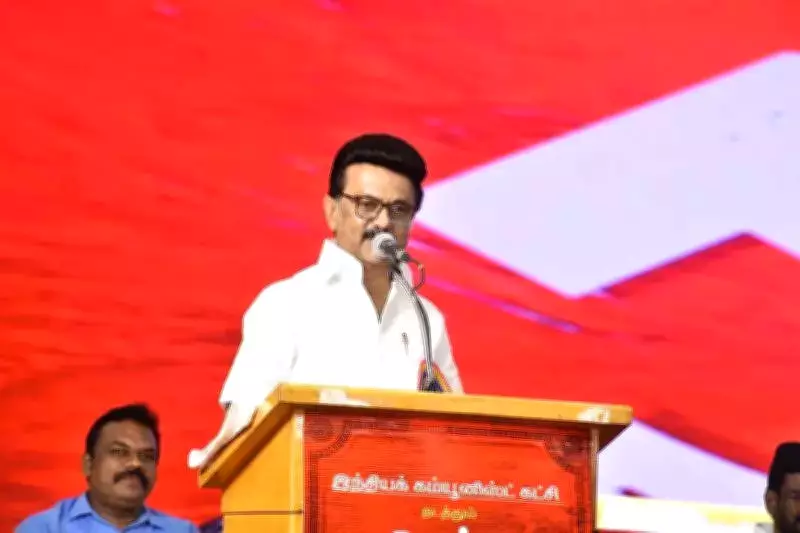
In a significant address at the Tamil Nadu Assembly, Chief Minister M K Stalin called for sweeping constitutional amendments and structural reforms aimed at decentralizing powers and granting greater autonomy to states. Speaking on Wednesday, Stalin emphasized the need to transform state governments into more powerful entities within India's federal framework.
Historical Context and Current Demands
Stalin referenced several past committees, including the Rajamannar Committee, Sarkaria Commission, Venkatachalaiah Commission, and Punchhi Commission, which had previously submitted reports on Union-state relations without yielding tangible results. He lamented that centralization of power has only intensified over time, with state governments gradually losing their authority.
"States are forced to expect the Union government for everything. How long should we remain at the receiver and the Union as the provider? This situation must end," Stalin declared, highlighting the imbalance in the current system.

Key Issues and Proposed Solutions
The Chief Minister outlined several critical problems faced by states, including the alleged snatching of powers by the Union BJP government, interference through governors, imposition of Hindi, denial of funds, issues with GST, and delimitation concerns. He proposed state autonomy as the remedy, advocating for a federal government run by the states themselves.
"All the states would share the same sentiment, but are unable to express it. We have belled the cat," Stalin remarked, asserting Tamil Nadu's leadership in this legal effort.
Vision for Federalism and Coalition Government
Stalin stressed that states and the Union are not competing entities but equal partners in a federal structure. He argued that India's growth is contingent on the development of its states, urging the Union government to recognize this interdependence.
"What I want to convey to state governments across the country and to the Union government is that autonomy for states and a coalition government at the Centre are essential. This is not the demand of a political party but a crucial policy for people's lives and their development," he stated, receiving loud applause from the treasury benches.
Legal Measures and Future Steps
The High-Level Committee on Union-State relations, whose report was tabled in the assembly, marks the beginning of Tamil Nadu's legal push for constitutional amendments. Stalin thanked the panel for submitting the first part of the report, which outlines necessary legal measures to restore balance in state-centre relations. He announced that the report would be distributed to all political organizations nationwide.
"We are at a crucial juncture in determining and safeguarding the Indian Constitution. This is the time to set our goals and define our priorities to strengthen the concept of true federalism," Stalin concluded.
Assembly Condolences
In a separate development, the Tamil Nadu Assembly condoled the death of Maharashtra Deputy Chief Minister Ajit Pawar, who died in a plane crash on January 28, along with senior educationist S S Rajagopalan. Speaker M Appavu read out a resolution mourning their passing and also paid tribute to former House members N Sundaram and K Lingamuthu.