Tamil Nadu Chief Minister Advocates for Structural Reset of Indian Federalism
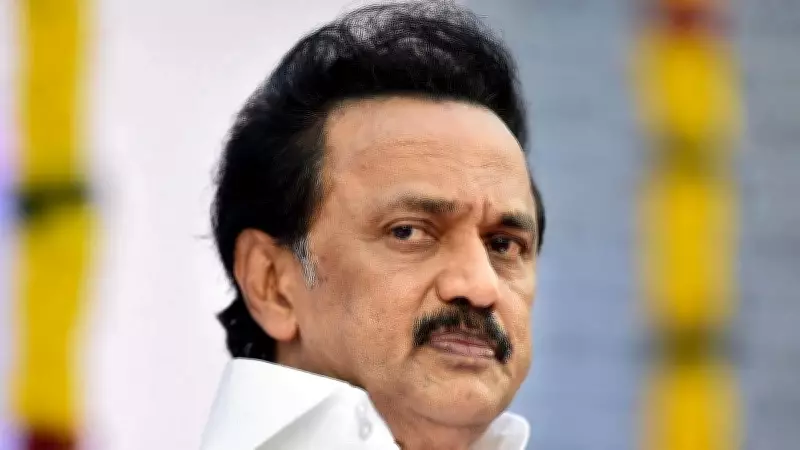
Tamil Nadu Chief Minister M.K. Stalin has made a significant call for a structural reset of India's federal system, proposing a constitutional amendment to enhance state autonomy and address imbalances in governance. Speaking at a public event in Chennai, Stalin emphasized the need to redefine the center-state relationship to ensure more equitable distribution of resources and decision-making powers.
Proposal for Constitutional Amendment
Stalin outlined his proposal for a constitutional amendment aimed at strengthening the federal structure. He argued that the current framework often centralizes authority, limiting states' abilities to implement policies tailored to local needs. The amendment would seek to devolve more powers to states, particularly in areas like finance, education, and healthcare, fostering a more collaborative and balanced union.
Key Issues Highlighted
Resource Allocation: Stalin pointed to disparities in resource distribution, where states with larger populations or specific economic challenges receive insufficient support from the central government. He stressed that a reset in federalism could lead to fairer funding models based on actual needs rather than political considerations.

Administrative Autonomy: The Chief Minister highlighted instances where central policies override state initiatives, creating friction and inefficiencies. He proposed that the amendment include provisions to protect state jurisdictions, ensuring that local governments have greater control over regional affairs.
Historical Context and Current Relevance
Stalin referenced historical debates on federalism in India, noting that the constitution's original intent was to balance unity with diversity. However, over time, centralization has increased, affecting states' ability to address unique socio-economic issues. In today's context, with rising regional aspirations and diverse challenges, a reset is crucial to maintain national cohesion while empowering states.
Potential Impacts and Challenges
Positive Outcomes: If implemented, the amendment could lead to more responsive governance, as states could design and execute policies better suited to their populations. It might also reduce inter-state conflicts over resources and promote cooperative federalism.
Implementation Hurdles: Achieving such an amendment requires broad political consensus, which may be difficult given varying interests across parties and regions. Legal and procedural challenges in amending the constitution also pose significant obstacles.
Reactions and Future Steps
Stalin's proposal has sparked discussions among political analysts and other state leaders, with some expressing support for greater decentralization. He plans to advocate for this amendment through parliamentary channels and engage with other chief ministers to build a coalition for change. The move aligns with Tamil Nadu's long-standing demands for enhanced state rights, reflecting broader trends in Indian politics where regional parties push for federal reforms.
In summary, M.K. Stalin's call for a constitutional amendment to reset federalism underscores a critical debate on governance in India. By proposing structural changes, he aims to create a more equitable and efficient system that respects state autonomy while strengthening national unity.