

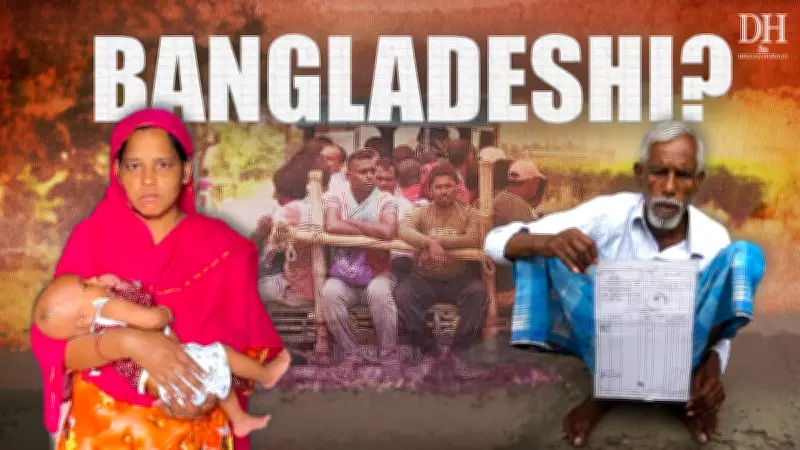
Stereotyping 'Sir' Hits Bengali-Speaking Migrant Workers Hard in West Bengal
In West Bengal, a troubling pattern of stereotyping and discrimination is severely affecting Bengali-speaking migrant workers, who often face derogatory treatment, including being mockingly called "Sir." This phenomenon highlights deep-seated social biases and economic challenges that undermine the livelihoods and dignity of these workers, many of whom migrate from rural areas to urban centers in search of better opportunities.
Widespread Discrimination and Its Impact
The use of "Sir" as a pejorative term is not merely a linguistic issue but a reflection of broader societal prejudices. Migrant workers, primarily from districts like Murshidabad, Malda, and North Dinajpur, report being subjected to this stereotyping in workplaces, markets, and residential areas. This discrimination often leads to exclusion from job opportunities, lower wages, and social ostracization, exacerbating their economic vulnerabilities.
For instance, in cities like Kolkata and Siliguri, employers and locals frequently label these workers as "Sir" to imply they are outsiders or inferior, despite their shared Bengali heritage. This has created a hostile environment where migrant workers struggle to integrate and access essential services, such as housing and healthcare.

Economic and Social Consequences
The stereotyping has tangible economic repercussions. Many workers are relegated to low-paying, informal sector jobs with poor working conditions, as employers exploit their marginalized status. This not only perpetuates poverty cycles but also limits their ability to support families back in their home villages.
Socially, the discrimination fosters a sense of alienation and psychological distress among migrant communities. Workers describe feeling humiliated and powerless, which can lead to mental health issues and reduced productivity. The lack of legal protections and support systems further compounds these challenges, leaving them with few avenues for redress.
Root Causes and Broader Context
This issue stems from a combination of factors, including regional disparities, caste dynamics, and urbanization pressures. West Bengal's economic growth has not been evenly distributed, leading to migration flows that strain urban infrastructure and fuel resentment among local populations. Additionally, historical and cultural stereotypes about certain Bengali dialects and communities contribute to the prejudice.
Experts note that such discrimination is not isolated but part of a larger pattern of migrant worker exploitation across India. However, in West Bengal, the linguistic and cultural similarities make the stereotyping particularly insidious, as it masks underlying biases under the guise of familiarity.
Call for Action and Awareness
Addressing this problem requires concerted efforts from government bodies, civil society, and the public. Initiatives to promote inclusivity, such as awareness campaigns and anti-discrimination laws, are crucial. Strengthening labor rights and providing legal aid to affected workers can help mitigate the economic impacts.
Moreover, fostering dialogue between migrant and local communities is essential to break down stereotypes and build solidarity. By recognizing the contributions of migrant workers to the state's economy and culture, West Bengal can move towards a more equitable and just society.






