

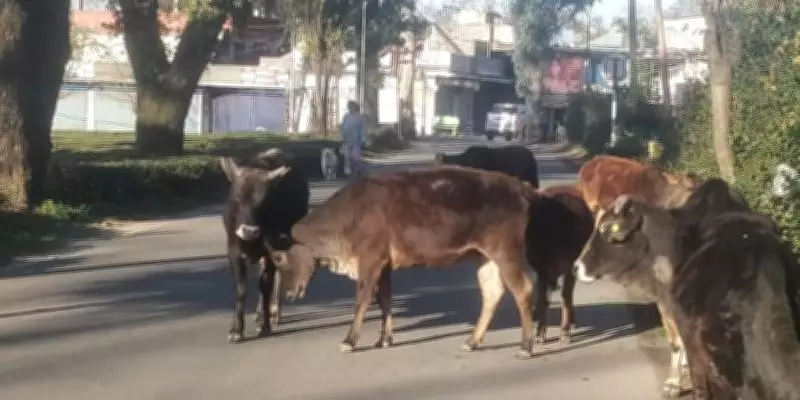
Stray Cattle Crisis Intensifies on Palampur Roads, Endangering Commuters
The picturesque town of Palampur in Himachal Pradesh is grappling with a growing safety crisis as the number of stray cattle on its roads surges, posing a significant threat to commuters and disrupting daily life. This escalating issue has sparked widespread concern among residents and authorities alike, highlighting the urgent need for effective management strategies.
Rising Accidents and Traffic Disruptions
Reports indicate a sharp increase in accidents involving stray cattle, with numerous incidents of vehicles colliding with these animals on busy thoroughfares. The presence of cattle on roads not only causes traffic jams but also leads to severe injuries and property damage. Commuters, including motorists and pedestrians, face heightened risks, particularly during early mornings and late evenings when visibility is low.
Local residents have voiced their frustrations, citing frequent near-misses and the constant fear of encountering stray cattle while traveling. The situation is exacerbated in areas with heavy footfall, such as marketplaces and school zones, where the safety of vulnerable groups like children and the elderly is compromised.

Root Causes of the Stray Cattle Proliferation
Several factors contribute to the growing stray cattle count in Palampur. Abandonment by farmers after animals cease to be productive, lack of proper shelter facilities, and inadequate enforcement of animal control laws are primary drivers. Additionally, the town's expanding urban footprint has encroached on traditional grazing lands, forcing cattle onto roads in search of food and water.
Authorities point to challenges in implementing existing regulations, with limited resources hindering efforts to round up and rehabilitate stray animals. The absence of coordinated action between municipal bodies and animal welfare organizations has further stalled progress in addressing this menace.
Community and Government Responses
In response to the crisis, local communities have initiated awareness campaigns to educate residents about responsible animal ownership and the dangers of abandoning cattle. Some groups are advocating for the establishment of dedicated shelters and feeding points to reduce the reliance of stray animals on urban areas.
Government officials have acknowledged the issue, with plans underway to enhance surveillance and enforcement measures. Proposals include increasing fines for negligent owners, deploying more animal control teams, and collaborating with NGOs to manage the stray population humanely. However, stakeholders emphasize that long-term solutions require sustainable policies and community participation.
Impact on Daily Life and Economy
The stray cattle menace extends beyond safety concerns, affecting Palampur's social and economic fabric. Traffic disruptions lead to delays in transportation, impacting businesses and daily commutes. The town's reputation as a tourist destination is also at risk, with visitors reporting unpleasant experiences due to the presence of stray animals on roads.
As Palampur confronts this challenge, the need for a multi-pronged approach—combining stricter enforcement, public awareness, and infrastructure development—becomes increasingly apparent to safeguard commuter safety and restore order on the roads.

