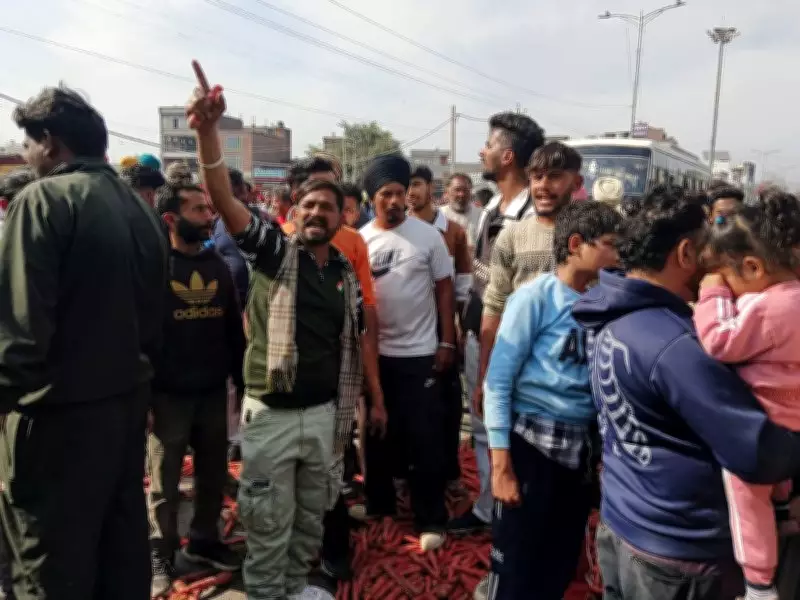
Street Vendors Stage Protest Over Anti-Encroachment Campaign in Tarn Taran
In a significant demonstration of dissent, street vendors in Tarn Taran, Punjab, have organized a protest against the ongoing anti-encroachment campaign led by the municipal corporation. The vendors, who rely on roadside stalls for their daily income, argue that the drive is being conducted without adequate notice or provisions for their rehabilitation, putting their livelihoods at severe risk.
Details of the Protest and Vendor Grievances
The protest saw a large gathering of vendors and their supporters, who assembled to voice their concerns over what they describe as a harsh and unilateral action by local authorities. According to reports, the anti-encroachment campaign aims to clear illegal structures and obstructions on public roads and footpaths to improve urban mobility and safety. However, vendors claim that the implementation lacks transparency and fails to consider their economic survival.
Key grievances highlighted during the protest include:

- Sudden eviction notices without sufficient time for vendors to relocate or adjust their businesses.
- Absence of a comprehensive rehabilitation plan to provide alternative vending zones or financial support.
- Allegations of selective targeting, with some vendors feeling unfairly penalized while others operate unchecked.
- Concerns over the impact on local economy, as street vending is a primary source of income for many families in the area.
Municipal Response and Broader Implications
Municipal officials have defended the campaign, stating it is necessary to ensure public order and adhere to urban planning regulations. They emphasize that encroachments on roads and footpaths pose safety hazards and hinder traffic flow, requiring prompt action. However, they have acknowledged the need for dialogue and have promised to review the situation to address vendor concerns.
This protest in Tarn Taran reflects a larger issue faced by street vendors across India, where rapid urbanization often clashes with informal economies. Similar incidents have been reported in other cities, highlighting the ongoing struggle between urban development initiatives and livelihood security. Experts suggest that a balanced approach, involving stakeholder consultations and sustainable rehabilitation measures, is crucial to resolving such conflicts.
The outcome of this protest could set a precedent for how local governments handle encroachment issues in the future, potentially influencing policies on street vending and urban management in Punjab and beyond.