Surat's Mughal Sarai Building Rechristened as Shree Tapi Bhavan
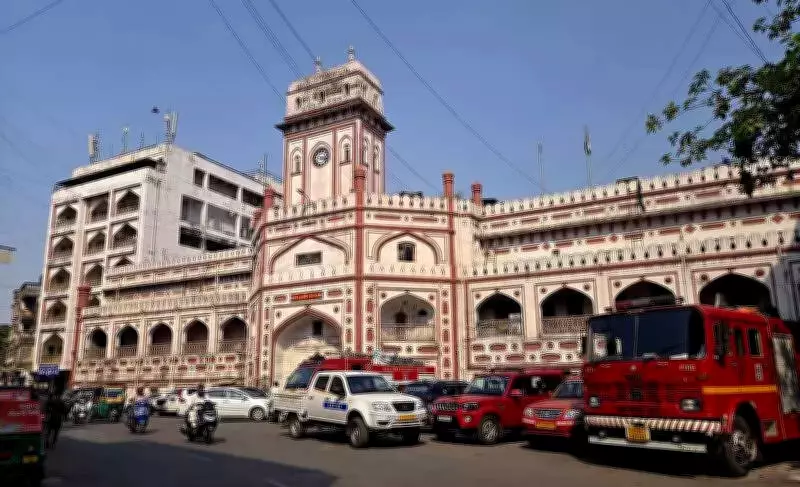
In a significant move blending history with modernity, the Surat Municipal Corporation has officially renamed the iconic Mughal Sarai building as Shree Tapi Bhavan. This decision marks the end of an era, as the structure has served as the civic body's administrative headquarters for nearly 159 years, since 1867.
A Legacy Spanning Centuries
The building's origins trace back to 1644, when it was constructed by Eshak Beg Yazdi, also known as Hakikat Khan, who served as the chief officer of Surat city under Emperor Shah Jahan. Originally named Humayun Sarai, it functioned as a travelers' inn for pilgrims journeying to and from Mecca and Madina. Its strategic location on the banks of the Tapi River made it a pivotal embarkation point for ships carrying pilgrims.
Historical records indicate that during British colonial rule, the structure was repurposed as a temporary jail. When the Surat municipality relocated its offices here in 1867, a sum of Rs 33,080 was allocated for repairs and restoration, transitioning it from a sarai to a civic hub.

Architectural Grandeur and Modern Adaptations
Mughal Sarai is celebrated for its exquisite Indo-Islamic architectural style, featuring a two-storey stone facade adorned with intricate arches, cornices, decorated parapets, and carved patterns. The building's design is both balanced and aesthetically pleasing, with a central courtyard that once housed a fountain and now serves as a parking area for employees and councillors.
Over the decades, numerous modifications were undertaken to accommodate the growing administrative needs. Key changes include:
- Development of an annexe building on the northern side, connected to the heritage structure across the ground, first, and second floors.
- Installation of modern amenities such as air conditioners, fans, false ceilings, and wall paneling to ensure functionality.
- Preservation efforts to maintain the building's structural integrity and historical charm, which remains palpable upon entry.
Despite these updates, the offices of top officials, including the city Mayor and municipal commissioner, continued to operate from the original heritage section, underscoring its enduring significance.
Historical Artifacts and Documentation
The building's rich history is further evidenced by two marble stone plaques, each measuring approximately 3.65 metres, inscribed in Persian with details about the Sarai. These plaques were originally mounted at the entry gate but were relocated to the Prince of Wales Museum in Bombay in 1929, thanks to the efforts of R D Banerji of the Archaeological Survey of India. The Surat Municipal Corporation retains an image of this inscription in its archives.
Transition to a New Era
The renaming to Shree Tapi Bhavan coincides with the development of a new SMC headquarters on Ring Road, projected to cost around Rs 1,300 crore. This move symbolizes a shift towards modern infrastructure while honoring the past through the preservation of the historic building's legacy.
As noted by history researcher Sanjay Choksi, the building's evolution from Humayun Sarai to Mughal Sarai, and now to Shree Tapi Bhavan, reflects Surat's dynamic growth and respect for its architectural heritage. The area surrounding the building, including Makkai Pul (bridge) named after Mecca, remains a testament to its historical role in facilitating pilgrim journeys.
With its strong foundation and well-maintained condition, Shree Tapi Bhavan stands as a proud emblem of Surat's cultural and administrative history, bridging centuries of memory with contemporary civic life.