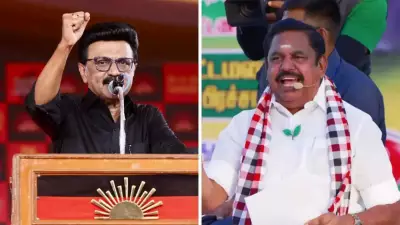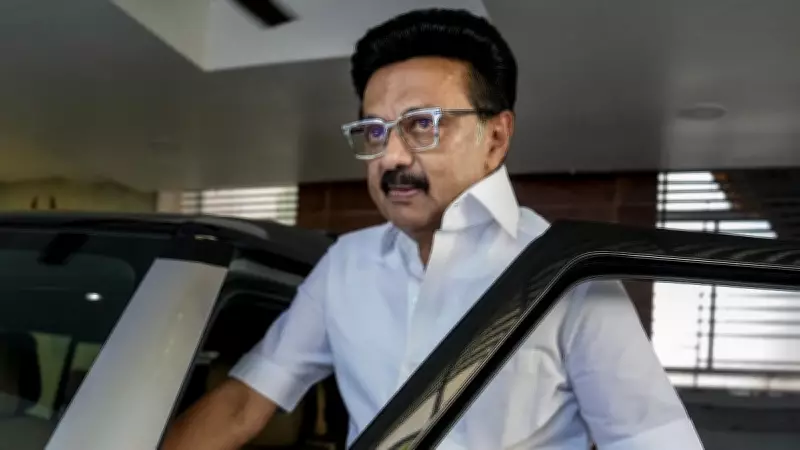
In a significant political development, M K Stalin has resigned as the Chief Minister of Tamil Nadu following the results of the 2026 Tamil Nadu Assembly Elections. The DMK, under his leadership, managed to secure only 59 seats in the 234-member legislative assembly, a sharp decline from its previous performance. This outcome has relegated the DMK to the position of the principal opposition party in the state.
Election Results and Political Shift
The election results, announced on 5 May 2026, marked a dramatic shift in Tamil Nadu's political landscape. The DMK's tally of 59 seats fell far short of the majority mark, paving the way for the opposition alliance, led by the AIADMK, to form the next government. The AIADMK and its allies secured a comfortable majority, ending the DMK's tenure in power.
Stalin's Resignation and Reaction
Following the electoral defeat, MK Stalin submitted his resignation to the Governor, accepting responsibility for the party's poor performance. In a brief statement, Stalin thanked the voters and acknowledged the mandate, while vowing to strengthen the DMK as a robust opposition force. Political analysts view this as a major setback for the DMK, which had been in power since 2021.

The 2026 elections witnessed a high voter turnout, with key issues such as employment, infrastructure, and social welfare dominating the campaign. The AIADMK's alliance successfully capitalized on anti-incumbency sentiments and regional concerns to oust the ruling party. The new government is expected to be sworn in within the coming days, with the chief ministerial candidate likely to be announced shortly.
Implications for Tamil Nadu Politics
This election outcome reshapes the political dynamics in Tamil Nadu, with the DMK now focusing on rebuilding its base. The AIADMK's return to power signals a renewed phase of governance, with promises of development and stability. Observers note that the results also have implications for national politics, given Tamil Nadu's significant role in the federal structure.
As the state prepares for a change in leadership, all eyes are on the new government's policy direction and its ability to address pressing issues such as water scarcity, industrial growth, and education. The DMK, meanwhile, will look to regroup and strategize for future electoral battles.