

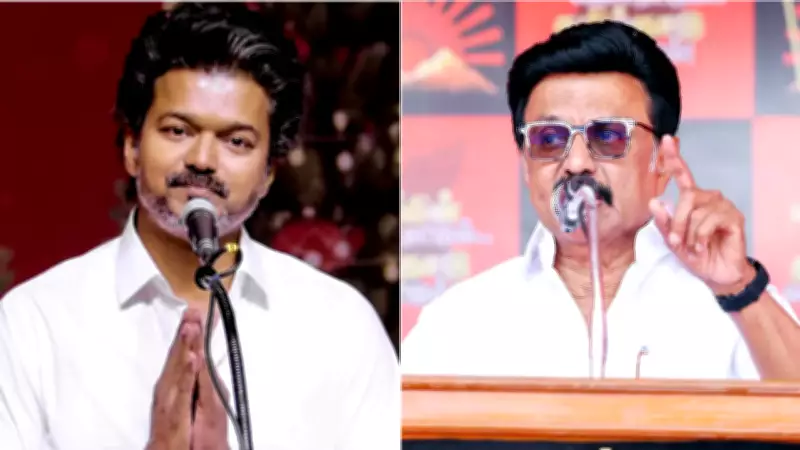
Tamil Nadu Assembly Elections: A Crucial Test for the Dravidian Model
As Tamil Nadu prepares to vote on Thursday, the assembly elections are emerging as a pivotal political contest that could challenge the resilience of the state's long-dominant Dravidian model. This electoral battle is set to determine the future trajectory of Tamil Nadu's governance and political landscape, with several constituencies poised for intense scrutiny.
High-Stakes Constituencies Under the Microscope
Several key constituencies are drawing significant attention from political analysts and voters alike. These battles feature prominent leaders whose performances could shape the election's outcome and influence the state's political dynamics for years to come.
Key Seats to Watch Closely
Kolathur: DMK chief MK Stalin is returning to Kolathur, a constituency he has represented since 2011. As he seeks to reinforce his stronghold, this contest is crucial for his broader re-election campaign and leadership of the DMK. A victory here would solidify his position as a dominant political force in the region.

Chepauk: Udhayanidhi Stalin is aiming to retain the Chepauk-Thiruvallikeni seat following his 2021 victory. This election serves as a critical test of his growing political stature and ability to maintain the Stalin family's influence in this important constituency. His performance will be closely monitored as an indicator of the DMK's youth appeal.
Tiruchirapalli East and Perambur: Actor-turned-politician Vijay is making a high-profile electoral debut, contesting from both Tiruchirapalli East and Perambur constituencies. His party, Tamilaga Vettri Kazhagam (TVK), is contesting all 234 seats, making his campaign one of the most closely watched developments in this election cycle. His entry adds a new dimension to Tamil Nadu's political arena.
Edappadi: Former Chief Minister Edappadi K. Palaniswami is contesting from his traditional bastion of Edappadi. As he leads the AIADMK charge, he is aiming for a fourth consecutive victory in this constituency. His performance here will be crucial for the AIADMK's overall electoral prospects and his continued leadership within the party.
Bodinayakkanur: O. Panneerselvam, once a prominent AIADMK figure, is now contesting on a DMK ticket from his long-time stronghold of Bodinayakkanur. His dramatic party switch has transformed this constituency into a high-voltage battleground that could signal shifting political allegiances in the region.
Mylapore: Tamilisai Soundararajan, the former Telangana governor, has entered the electoral fray from Mylapore. As a prominent BJP face in Tamil Nadu, her contest represents the party's efforts to expand its footprint in a state traditionally dominated by Dravidian parties.
Sattur: Nainar Nagendran has shifted from Tirunelveli to contest from Sattur, making this another key constituency to monitor. His move adds an element of unpredictability to this contest and reflects strategic calculations by political parties in seat allocation.
The Broader Political Context
These individual contests occur against the backdrop of a larger political narrative testing the durability of Tamil Nadu's Dravidian model. The election results will provide important insights into voter sentiment regarding governance, development, and regional identity. With multiple parties fielding candidates across all constituencies, the electoral landscape appears more fragmented than in previous cycles.
The performance of established leaders like MK Stalin and Edappadi K. Palaniswami will be contrasted with that of newcomers like Vijay, offering voters distinct political choices. Meanwhile, party switches by figures like O. Panneerselvam highlight the fluid nature of political alliances in contemporary Tamil Nadu politics.
As polling day approaches, these key constituencies will likely determine which way the political winds are blowing in Tamil Nadu. The outcomes will not only decide the immediate formation of the state government but may also signal longer-term shifts in the state's political orientation and the future of the Dravidian political tradition.






