

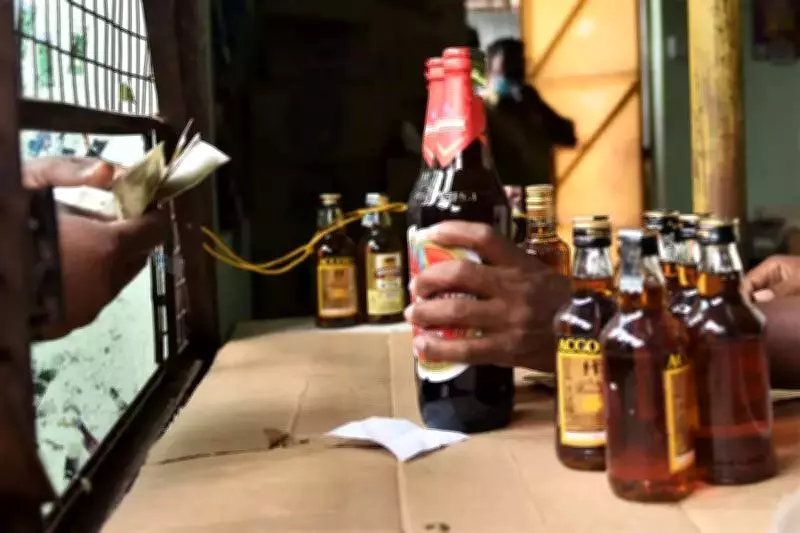
Tasmac Implements Stringent Liquor Sale Restrictions Across Tamil Nadu
In response to the enforcement of the Model Code of Conduct (MCC) since March 15, the Tamil Nadu State Marketing Corporation Ltd (Tasmac) has introduced rigorous measures to regulate liquor sales and prevent bulk purchases throughout the state. These actions aim to curb potential misuse during the electoral period, ensuring compliance with legal and ethical standards.
Stock and Sales Limitations to Deter Hoarding
Tasmac has established clear guidelines to manage liquor availability and sales. According to official directives, each shop must not exceed 50% of the stock held on the corresponding date last year. Additionally, daily sales are restricted to 30% of the average sales recorded in February. Any sales beyond this 30% threshold will be classified as bulk sales, while stock surpassing the 50% limit will be considered hoarding, as confirmed by a Tasmac official.
The corporation is conducting daily review meetings with district managers and supervisors to monitor adherence to these rules. Officials have emphasized that individuals found breaching these limitations will be required to provide explanations to their respective district managers, highlighting the seriousness of these enforcement efforts.

Warnings Against Illicit Activities and Token Sales
Tasmac has also issued strict warnings against the hoarding of liquor by attached bars for illicit sale outside permitted hours, specifically after 10 PM and before noon. In a circular, the management stated that violations by bars will result in licence cancellation, the filing of an FIR, and the surrender of the bar's deposit to the exchequer. This move underscores the corporation's commitment to preventing unauthorized sales and maintaining order.
Furthermore, Tasmac has instructed supervisors to refrain from selling liquor in exchange for coupons or tokens issued by political parties. However, some supervisors have expressed confusion, noting that while they have been told not to sell in bulk, the definition of bulk remains unclear, leaving ambiguity regarding the permissible number of bottles an individual can purchase.
Supervisors Voice Concerns Over Implementation Clarity
Despite the directives, Tasmac supervisors and salesmen have reported that they have never engaged in selling liquor via coupons or tokens. One supervisor highlighted the lack of clarity in the guidelines, stating, "We have been told not to sell liquor in bulk, but the definition of bulk is not clear. There is no clarity on how many bottles an individual can buy." This feedback points to potential challenges in the practical application of the new rules, which may require further refinement to ensure effective enforcement.
Overall, Tasmac's proactive measures reflect a concerted effort to uphold the integrity of the electoral process by controlling liquor distribution. As the Model Code of Conduct remains in effect, these restrictions are expected to play a crucial role in preventing misuse and promoting fair practices across Tamil Nadu.






