

Tensions Flare Between TMC and Election Commission Over Poll Phases and Supreme Court Move
In a heated development, the longstanding friction between the Trinamool Congress (TMC) and the Election Commission of India (EC) has erupted once again. The confrontation unfolded during a crucial full bench meeting held on Monday, where West Bengal Finance Minister Chandrima Bhattacharya leveled serious allegations against Chief Election Commissioner Gyanesh Kumar.
Allegations of Disrespect and Gender Bias Surface
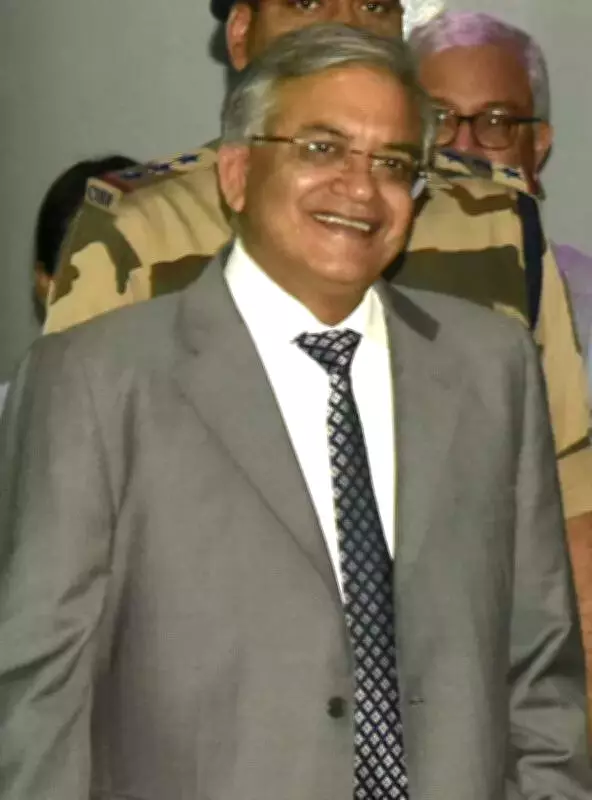
Chandrima Bhattacharya, a prominent TMC leader, claimed that Gyanesh Kumar told her "not to shout" during the discussions, a remark she interpreted as deeply disrespectful and indicative of a broader disregard for women. Speaking to the media after the meeting, Bhattacharya was flanked by Kolkata Mayor Firhad Hakim and former Director General of Police Rajeev Kumar.
"I am a woman and he is telling me 'don't shout'. They actually have no respect for women. That is why women's names are also being deleted," Bhattacharya asserted, linking the incident to ongoing concerns about voter list revisions in West Bengal.

She further expressed frustration that whenever the TMC delegation raised issues related to the Summary Revision (SIR) of electoral rolls, the EC officials responded by stating the matter was sub judice in the Supreme Court. "If you called us, you must listen to what we have to say. Was it wrong for us to go to the Supreme Court? It is our responsibility to protect the people," Bhattacharya added, defending the party's legal move.
Divergent Views on Election Phases Among Political Parties
The meeting also highlighted stark differences in opinion regarding the scheduling of the upcoming assembly elections in West Bengal. While the TMC maintained its firm stance that no genuine voter should be excluded from the electoral process, other major parties pushed for a condensed polling schedule.
- Bharatiya Janata Party (BJP): A delegation comprising Jagannath Chattopadhyay, Sishir Bajoria, and Tapas Ray advocated for free and fair elections without fear. They emphasized the need for proper utilization of Central Armed Police Forces (CAPF) and urged the EC to take exemplary action against certain Bengal Police officers and state administration officials allegedly hindering free voting. The BJP proposed conducting the elections in one or, at most, two phases.
- Indian National Congress (Congress): Led by Pradip Bhattacharya, Asutosh Chatterjee, and Prasenjit Basu, the Congress delegation raised concerns about nearly 60 lakh cases "under adjudication" and welcomed the idea of a single-phase poll to ensure smoother electoral proceedings.
- Communist Party of India (Marxist) (CPM): Representatives Md Salim, Shamik Lahiri, and Afreen Begum focused on roll revision and poll preparedness issues. They supported 1- or 2-phase elections and demanded opportunities for voters whose names were deleted to re-enroll, ensuring broader participation.
EC's Position and Logistical Constraints
In an official press note, the Election Commission acknowledged the political parties' appeals for shorter election durations, stating, "Political parties urged the commission to conduct the elections in 1 or 2 phases." However, the protracted Summary Revision (SIR) schedule presents significant logistical challenges, potentially limiting the EC's ability to accommodate a lengthy election window this year.
When questioned about the TMC's preferred number of polling phases, both Firhad Hakim and Chandrima Bhattacharya avoided direct responses, clarifying that the meeting was not specifically convened for that purpose. This ambiguity underscores the ongoing strategic deliberations within the party as it navigates the complex electoral landscape.
The resurgence of tensions between the TMC and the Election Commission, compounded by the Supreme Court involvement and divergent phase proposals, sets the stage for a highly charged election season in West Bengal. All eyes are now on the EC's final decision regarding poll schedules and its handling of the allegations raised during this contentious meeting.






