

DMK's Legislative Promise Falls Short: Tamil Nadu Assembly Records Lowest Sessions Since 1952
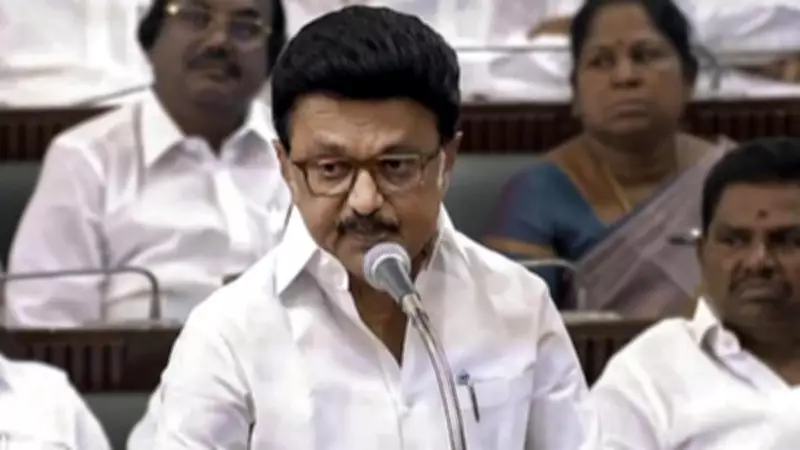
In a stark revelation that contradicts earlier political assurances, the 16th Tamil Nadu Legislative Assembly has concluded its full term with the fewest number of sitting days recorded since the inaugural general elections of independent India in 1952. According to a comprehensive and detailed analysis conducted by the esteemed PRS Legislative Research, the assembly under the leadership of Chief Minister M.K. Stalin convened for a mere 155 days over its five-year tenure.
Historical Low in Legislative Activity
This figure represents a significant historical low, marking the poorest performance for any full-term assembly in Tamil Nadu's post-independence history. The analysis meticulously compares legislative activity across decades, highlighting how this assembly's session days fall substantially short of previous terms. The DMK party, which currently holds the majority, had previously emphasized commitments to robust governance and frequent legislative engagement during its election campaigns.
The findings underscore a growing concern regarding the pace and depth of democratic deliberation within the state's highest law-making body. With critical bills, budgetary approvals, and policy discussions requiring adequate floor time, the limited number of sitting days potentially impacts the thorough scrutiny of legislative matters.

Context and Comparative Analysis
The PRS Legislative Research report provides crucial context by tracing assembly performance back to 1952, when India held its first general elections. This long-term perspective reveals trends in legislative productivity and highlights how the current assembly's 155 days stand in contrast to more active periods in Tamil Nadu's political history. The analysis likely factors in variables such as session durations, frequency of meetings, and overall parliamentary calendar adherence.
Such data is vital for assessing governance efficiency and transparency, offering citizens and analysts a measurable metric of political accountability. The shortfall in assembly days may prompt discussions on institutional reforms, including potential mandates for minimum sitting requirements to ensure continuous legislative oversight.
Political Implications and Public Discourse
The revelation arrives at a politically sensitive juncture, potentially fueling debates between the ruling DMK and opposition parties like the AIADMK. Critics may argue that reduced assembly time limits opportunities for questioning the executive, debating public issues, and passing essential legislation. Proponents of the government might cite external factors or efficiency in shorter, more focused sessions.
Nevertheless, the PRS analysis serves as an objective benchmark, independent of partisan rhetoric. It emphasizes the importance of legislative diligence in a vibrant democracy, where assembly sessions are fundamental to representing public will and enacting laws that shape societal progress.
As Tamil Nadu reflects on this legislative term, the data invites broader reflections on balancing governance responsibilities with electoral promises, ensuring that the assembly remains a dynamic forum for the state's development and democratic vitality.






