

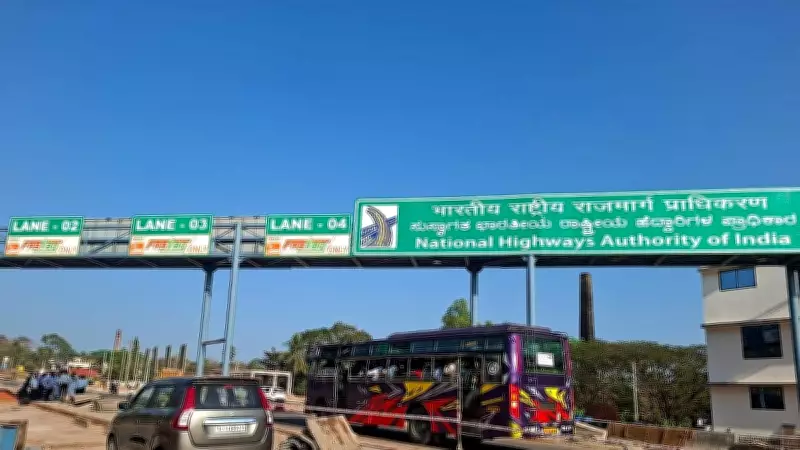
Toll Gate Virodhi Horata Samithi Inspects Proposed Toll Plaza on NH 169 in Karnataka
A delegation from the Toll Gate Virodhi Horata Samithi recently visited the site of the proposed Ganjimutt–Sooralpady toll plaza on National Highway 169 in Karnataka. This inspection comes as the construction of the toll plaza is reportedly in its final stages, sparking significant opposition from local communities and various organizations.
Delegation's Site Visit and Compliance Check
The delegation, comprising leaders from multiple organizations, conducted a thorough inspection to assess compliance with regulatory rules and standards. Their primary objective was to evaluate whether the construction adheres to established guidelines and to voice their concerns regarding the project's impact on the region.
This visit underscores the growing resistance to the toll plaza, which has been a point of contention for residents and activists in the area. The Samithi has been actively campaigning against the construction, citing potential issues such as increased travel costs and disruptions to local traffic patterns.

Background of the Opposition
The proposed toll plaza at Suralpady on NH 169 has faced criticism since its inception. Key points of opposition include:
- Potential financial burden on daily commuters and local businesses.
- Concerns over environmental and social impacts in the Ganjimutt–Sooralpady region.
- Allegations of inadequate public consultation during the planning phases.
As the project nears completion, the Samithi's inspection aims to bring these issues to the forefront, urging authorities to reconsider or modify the plans to better serve the community's interests.
Current Status and Future Implications
With construction progressing rapidly, the situation remains tense. The delegation's findings from the inspection could influence future actions, including potential legal challenges or public protests. This development highlights the ongoing debate over infrastructure projects in Karnataka, balancing development needs with public welfare.
As of February 2026, the issue continues to evolve, with stakeholders closely monitoring the situation. The outcome may set a precedent for similar projects across the state, emphasizing the importance of transparent governance and community engagement in public works.






