

Unprecedented Dynamics Reshape West Bengal's 2026 Electoral Landscape
Elections in West Bengal have always been fiercely contested since 2011, even if the final results sometimes masked the intensity of the battle. However, the 2026 edition stands apart from the 2016 and 2021 polls, driven by a confluence of extraordinary factors that transcend mere electoral arithmetic. While the contest unfolds across the same 294 seats, the playing conditions this season are without precedent, creating a riveting political puzzle that analysts are struggling to decode.
The Special Intensive Revision (SIR): A Double-Edged Sword
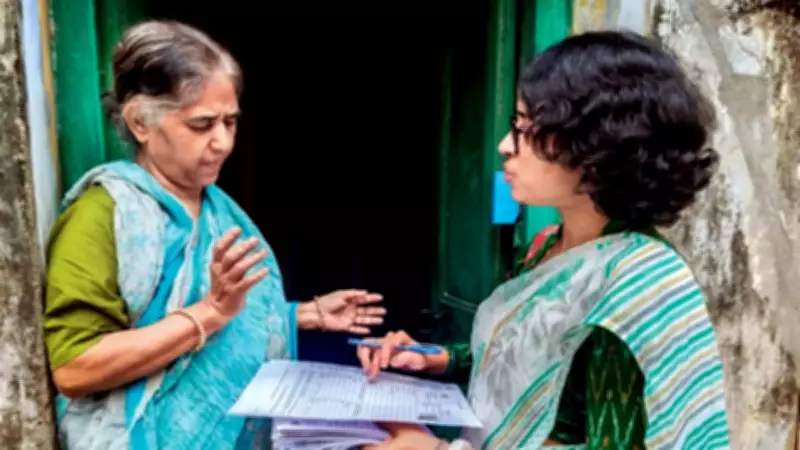
The most significant change in this election cycle is the implementation of the Special Intensive Revision (SIR) of electoral rolls. This process, aimed at intensive voter list updates, presents a complex scenario for both major parties. For the Bharatiya Janata Party (BJP), SIR could potentially benefit them in certain Kolkata and peripheral constituencies by removing voters aligned with the Trinamool Congress. Conversely, it might work against the BJP in border areas like North 24 Parganas and Nadia, where communities such as Matuas and Rajbangshis could be disproportionately affected.
Trinamool supremo Mamata Banerjee recognized the inherent dangers early on, vocally opposing the timing and ambitious two-month schedule of SIR from the outset. Her efforts have yielded moments of triumph, as the exercise missed its deadlines and left many families frustrated by its evolving demands. Banerjee's appearance in the Supreme Court as a "people's petitioner" demonstrated her unwavering fight-till-the-end spirit, shifting the battleground from Kolkata's streets to New Delhi's courtrooms. The ultimate impact of SIR remains uncertain, with answers likely only emerging after the final votes are counted.

Global Conflict and Local Economic Pain
As the Trinamool and BJP spar over SIR, another external factor has dramatically altered the electoral landscape: the escalating conflict between Israel and Iran, with global repercussions involving the United States. This war, centered over 3,700 kilometers away in Tehran, has directly impacted West Bengal through rising fuel and LPG cylinder prices. Long queues at petrol stations and distribution centers have become a common sight, fueling voter anger.
While other Indian states also face these economic pressures, West Bengal's proximity to elections amplifies their political significance. Banerjee, renowned for her sharp political instincts, sees an opportunity in these discontented queues to neutralize advantages that might otherwise favor the BJP. The war's fallout on household budgets has unexpectedly shifted voter priorities, potentially overshadowing other campaign issues.
Last-Minute Gubernatorial Change Adds Uncertainty
If the BJP has been blindsided by the war's economic impact, the Trinamool's strategy has been disrupted by an unprecedented last-minute change in Raj Bhavan. The appointment of a new governor, R.N. Ravi, just days before the poll announcement, introduces fresh uncertainty. Ravi brings a reputation forged in Tamil Nadu politics, and Trinamool strategists view him as a potentially greater challenge than his predecessor, C.V. Ananda Bose, whom they had largely neutralized.
Other Key Factors in the Fray
Beyond these three major factors, traditional electoral issues continue to play roles. The Trinamool has garnered support through schemes like Yuva Sathi, providing monthly payouts to Class 10 passouts seeking jobs, and enhanced allocations for Lakshmir Bhandar, aiding women. Over 81 lakh voters (more than 11% of Bengal's electorate) have enrolled for Yuva Sathi, showcasing its popularity.
In a display of realpolitik, Banerjee made two strategic administrative moves minutes before the Election Commission announced the poll schedule: agreeing to pay enhanced dearness allowance for state staff as per Supreme Court orders, and approving a 33% hike in monthly payouts for Hindu purohits and Muslim muezzins.

The BJP, meanwhile, aims to capitalize on public anger over administrative failures, notably the horrific rape and murder of a medical intern at R.G. Kar Medical College and Hospital. The party also highlights court verdicts on corruption scandals in education and municipal recruitment, with Prime Minister Narendra Modi and Home Minister Amit Shah criticizing Trinamool's "Muslim-appeasement politics."
A Transformed Electoral Contest
While all these issues will influence voters, the more recent developments—SIR, the war's economic toll, and the governor change—have pushed them to the forefront of public consciousness. Together, these three factors have transformed what might have been a predictable five-year Test match into a volatile 20-week T20 game, full of unpredictability and intrigue. The final result, whether lopsided or narrow, may not fully reflect how closely fought this unprecedented electoral battle truly is.





