

West Bengal's Electoral Map: A Decade of Dramatic Shifts from 2016 to 2026
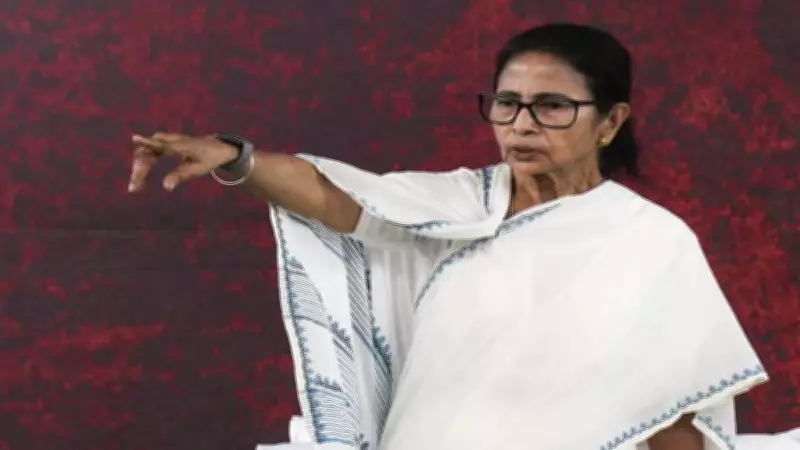
The electoral landscape of West Bengal has undergone profound transformations over the past decade, marked by intense political realignments and fierce competition among major parties. From the dominance of the Trinamool Congress (TMC) under Mamata Banerjee to the rise of the Bharatiya Janata Party (BJP) and the struggles of the Left parties, the state's political map has been redrawn in ways that reflect broader national trends and local dynamics.
2016: Trinamool Congress Consolidates Power
In the 2016 West Bengal Legislative Assembly elections, the Trinamool Congress secured a resounding victory, winning 211 out of 294 seats. This election solidified Mamata Banerjee's position as a formidable leader, with the party capitalizing on anti-incumbency against the Left Front, which had ruled for over three decades. The BJP, at that time, was a minor player, managing to win only 3 seats, while the Left parties, including the CPI(M), faced a significant decline, reduced to 26 seats from their previous stronghold.
2021: BJP's Surge and TMC's Resilience
The 2021 assembly elections marked a dramatic shift, with the BJP emerging as the principal opposition. The party made substantial gains, winning 77 seats, up from just 3 in 2016, as it tapped into national sentiment and leveraged organizational strength. However, the Trinamool Congress retained power by securing 213 seats, demonstrating resilience amid the BJP's aggressive campaign. The Left parties continued to weaken, winning only 1 seat, highlighting their marginalization in state politics.

2026: Projected Trends and Future Battles
Looking ahead to the 2026 elections, political analysts predict continued volatility. The Trinamool Congress is expected to focus on consolidating its rural and urban support bases, while the BJP aims to expand its footprint, particularly in regions where it made inroads in 2021. The Left parties face an uphill battle to regain relevance, potentially forming alliances or repositioning their strategies. Key factors influencing the electoral map include governance issues, economic policies, and the evolving voter demographics in West Bengal.
Key Players and Strategies
Trinamool Congress: Led by Mamata Banerjee, the party relies on its populist schemes and strong grassroots network. Its strategy involves maintaining a pro-poor image and countering BJP's nationalist rhetoric with regional pride.
BJP: The party has invested heavily in organizational expansion and polarizing campaigns. Its focus is on leveraging central government schemes and appealing to Hindu voters, aiming to challenge TMC's dominance.
Left Parties: Including CPI(M) and CPI, these groups are struggling to revive their base. They may explore coalitions or emphasize ideological purity to attract disenchanted voters.
Implications for State and National Politics
The shifts in West Bengal's electoral map have significant implications. For state politics, they indicate a move away from bipolar contests to a more fragmented scenario, with the BJP disrupting traditional alignments. Nationally, West Bengal's outcomes influence the balance of power, as the state is a key battleground in general elections. The decade-long changes underscore the dynamic nature of Indian democracy, where voter preferences can shift rapidly based on local and national issues.
In summary, West Bengal's electoral journey from 2016 to 2026 showcases a tale of political upheaval, with the Trinamool Congress holding ground, the BJP rising as a challenger, and the Left parties facing decline. As the state heads towards future polls, these trends will likely shape the contours of governance and opposition in one of India's most politically vibrant regions.






