

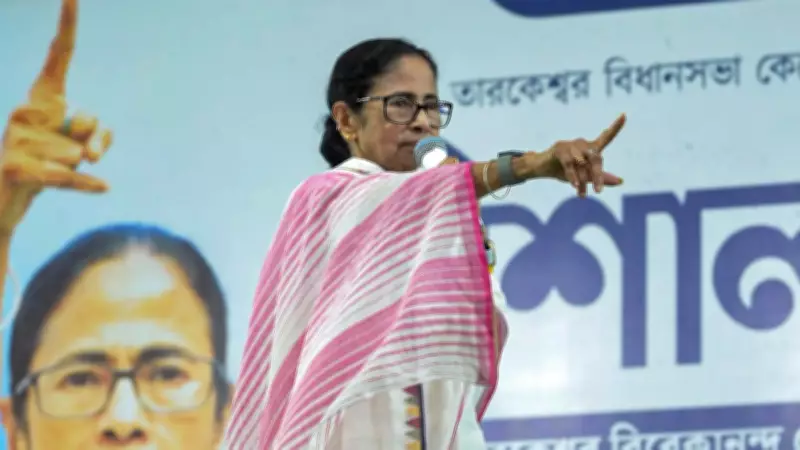
West Bengal's Political Battle: Mamata Banerjee Faces Anti-Incumbency Challenge
Defending her bastion of West Bengal for a fourth consecutive term, which would extend her tenure to an impressive 20 years, was always anticipated to be a formidable challenge for Chief Minister Mamata Banerjee. The political landscape is marked by intense competition, with the Bharatiya Janata Party (BJP) emerging as a powerful adversary. The BJP brings to the table a robust election-winning organization, seemingly limitless resources, and the charismatic campaigning prowess of Prime Minister Narendra Modi, setting the stage for a high-stakes electoral showdown.
Preparation and Rising Discontent
For five years leading up to 2026, Banerjee had been meticulously preparing to counter efforts to unseat her from power. However, her administration has been grappling with a surge in public discontent, largely fueled by a series of distressing incidents. Notably, the rape and murder of a junior doctor at the state-run R G Kar Medical College and Hospital, along with the rape of a student within college premises in Kasba, south Kolkata—just meters from a police station—have sparked widespread outrage. These events, coupled with a continuous stream of violence against women in rural areas, have galvanized spontaneous public protests and deepened existing grievances among voters.
Anti-Incumbency Sentiments Intensify
Despite Banerjee's personal efforts to hit the streets and demand justice for victims, such as in the R G Kar case, these actions have failed to resonate effectively with an electorate increasingly swayed by anti-incumbency sentiments. Voters appear to be nursing frustrations over governance issues, with the BJP capitalizing on this discontent to mount a serious challenge. The combination of organizational strength, resource advantage, and Modi's star power positions the BJP as a redoubtable force in this electoral battle, making Banerjee's quest for a fourth term an uphill struggle against the tide of anti-incumbency.







