

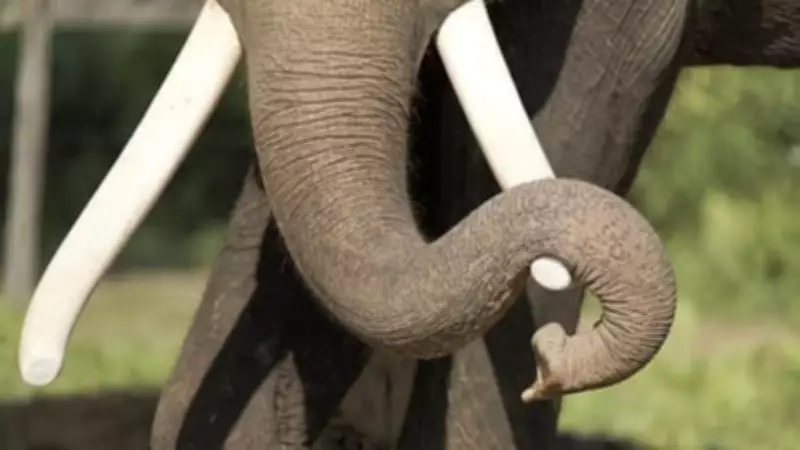
Tragic Elephant Attack Claims Woman's Life in Karnataka's Kodagu District
A devastating elephant attack has resulted in the tragic death of a 45-year-old woman in Karnataka's picturesque Kodagu district. The incident, which occurred on a Friday, has sent shockwaves through the local community and reignited concerns about the escalating human-wildlife conflict in the region.
Details of the Fatal Incident
The victim, identified as Shanthi, was a resident of the area and was reportedly near a coffee plantation when the wild elephant attacked. According to preliminary reports from local authorities, the elephant emerged suddenly from the forested area, leading to the fatal encounter. Shanthi sustained severe injuries during the attack and was pronounced dead at the scene by responding officials.
Forest department personnel were immediately alerted and rushed to the location following the incident. An investigation has been launched to determine the exact circumstances that led to this tragic event. Initial assessments suggest the elephant might have been startled or felt threatened, though the precise trigger remains under scrutiny by wildlife experts.

Escalating Human-Wildlife Conflict in Kodagu
This unfortunate incident underscores the persistent and growing challenge of human-wildlife conflict in Kodagu, a district renowned for its lush coffee plantations and rich biodiversity. The region, nestled in the Western Ghats, is home to a significant population of Asian elephants, and encounters between humans and these majestic animals have become increasingly frequent.
Several factors contribute to these conflicts, including habitat fragmentation due to agricultural expansion, deforestation, and changing land-use patterns. As elephants' natural corridors are disrupted, they often venture into human settlements in search of food and water, leading to dangerous confrontations. Local residents, particularly those living near forest fringes, face constant risks to their safety and livelihoods.
Community Response and Official Measures
The tragic death has left the local community in mourning and heightened anxiety among residents. Many have called for more robust measures from forest authorities to prevent such incidents in the future. In response, forest officials have reiterated their commitment to enhancing safety protocols and implementing early warning systems to alert villagers about elephant movements.
Conservationists emphasize the need for a balanced approach that protects both human lives and wildlife. Proposed solutions include creating secure elephant corridors, promoting community-based conservation initiatives, and educating residents on safe practices during elephant encounters. The forest department is also exploring technological interventions, such as drone surveillance and sensor-based alarms, to mitigate risks.
Broader Implications for Wildlife Conservation
This incident highlights the critical need for sustainable coexistence strategies in regions where human and wildlife habitats overlap. Karnataka has witnessed several similar tragedies in recent years, prompting calls for comprehensive policy reforms and increased funding for conflict mitigation programs.
Wildlife experts argue that long-term solutions must address root causes like habitat preservation and community engagement. While immediate measures focus on safety, enduring peace between humans and elephants requires collaborative efforts from government agencies, conservation organizations, and local communities.
The loss of Shanthi is a somber reminder of the vulnerabilities faced by those living in close proximity to wildlife. As authorities investigate this case, the broader conversation about harmonizing development with conservation continues to gain urgency in Kodagu and beyond.

