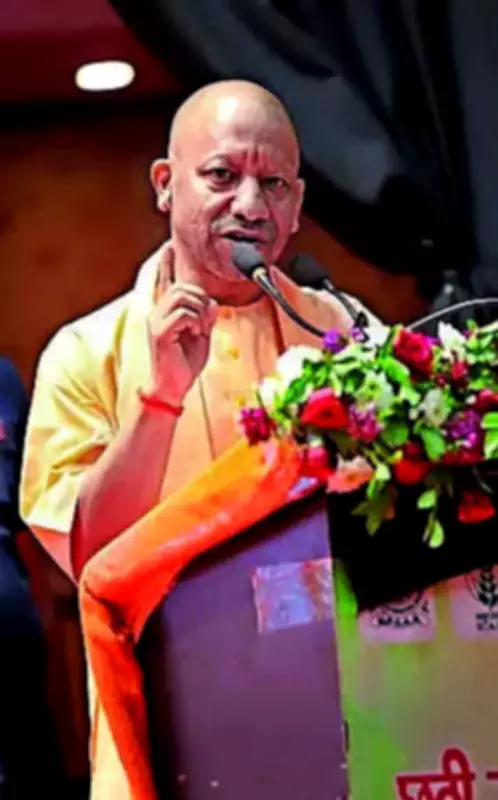
UP Chief Minister Yogi Adityanath Mandates Cluster Strategy for Weaver Empowerment
In a significant move to revitalize Uttar Pradesh's handloom sector, Chief Minister Yogi Adityanath has directed the state's handloom department to formulate a comprehensive, cluster-based action plan. This initiative aims to tackle the escalating costs of raw materials, enhance market opportunities for artisans, and facilitate the modernization of traditional designs.
Weavers as Economic Pillars: Government's Commitment to Livelihood Stability
During a review of the Atal Bihari Vajpayee Powerloom scheme, CM Adityanath underscored the critical role of weavers, stating, "Weavers are not merely custodians of heritage but also a robust pillar of the state's economy. Ensuring their income security, dignity, and livelihood stability remains a top priority for our government." He emphasized that addressing the community's challenges requires more than isolated schemes; it demands a cohesive and systematic approach.
Cluster Development: Integrating Production, Quality, and Marketing
The Chief Minister proposed identifying weaver-dominated regions and transforming them into specialized clusters. These clusters would seamlessly integrate production processes, quality control, and marketing strategies. Adityanath elaborated that each cluster should establish a well-defined value chain, encompassing design innovation, branding, packaging, and market access within a unified framework.

To foster collective efficiency, a limited number of weavers will be organized into registered units within each cluster. This structure is designed to promote collaborative production and marketing efforts. Furthermore, clusters will be equipped with modern technology, advanced tools, and skill development programs to elevate product quality and global competitiveness.
Uttar Pradesh's Weaving Sector: Current Status and Export Contributions
Uttar Pradesh boasts approximately 199,000 active weavers, ranking sixth nationally in the weaving industry. The state leads in the production of carpets, durries, and mats, while also maintaining a strong presence in bedsheets, furnishings, and blankets. In the 2024-25 fiscal year, India's total handloom exports reached Rs 1,178.93 crore, with UP contributing Rs 109.40 crore, accounting for roughly 9.27% of the national total.
Institutional Support and Digital Expansion for Market Access
To improve product standards and broaden market reach, CM Adityanath called for the effective implementation of institutional mechanisms. These include deploying designer and marketing executives, establishing design houses, and engaging sourcing agencies, buying agencies, and export houses. He also highlighted the necessity of expanding digital platforms, e-commerce channels, and branding initiatives to connect weavers directly with consumers.
Addressing Operational Challenges: Energy Costs and Solar Solutions
The review meeting also addressed practical hurdles faced by powerloom weavers, particularly high electricity bills. The handloom department and the power corporation will collaborate on an action plan to mitigate these costs. Discussions centered on promoting solar energy adoption, which could provide long-term relief by reducing electricity expenses for weavers.
This cluster-based strategy represents a holistic effort to strengthen Uttar Pradesh's handloom sector, ensuring sustainable growth and improved livelihoods for its weaving community.