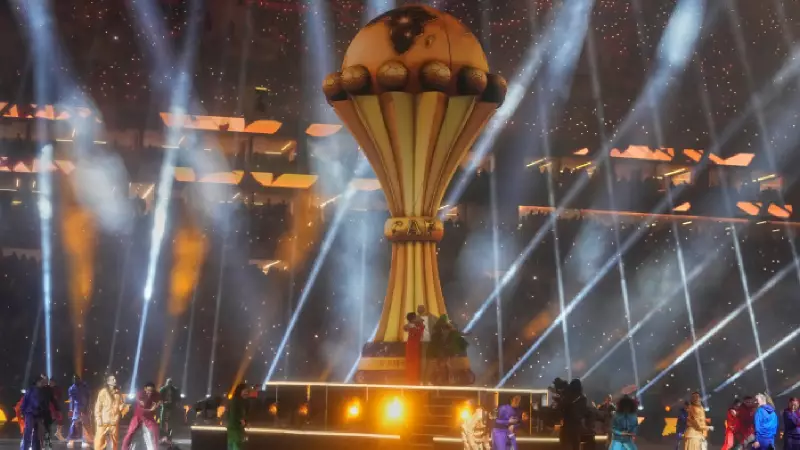
The group stage of the 2025 African Cup of Nations (AFCON) concluded on Wednesday, January 1, 2026, leaving a trail of thrilling football and showcasing the rich cultural tapestry of the continent. Beyond the scores, the tournament is a vibrant display of identity, often expressed through the evocative nicknames of the national teams. From the mighty Super Eagles of Nigeria to the historically resonant Coelacanths of Comoros, each moniker tells a story.
The Pride of the Continent: Lions, Eagles, and Ancient Fish
In Group A, the host nation Morocco, the Atlas LionsMali, the Eagles, lived up to their symbol of strength and power by progressing to the last 16 with three consecutive draws, proving hard to beat.
One of the most unique stories belongs to Comoros, the Coelacanths. This island nation, in only its second AFCON appearance, draws its nickname from a prehistoric fish once thought extinct. Living specimens were discovered off South Africa in 1938, and they are known to inhabit the waters around Comoros. Meanwhile, Zambia's Chipolopolo (Copper Bullets) reflect the nation's copper wealth and the team's desired speed and danger.

Pharaohs, Warriors, and Teranga: Nicknames Steeped in History
Group B featured heavyweights like Egypt, the Pharaohs, led by Mohamed Salah. They remain top contenders for a record-extending eighth title. South Africa's Bafana Bafana ("the boys, the boys" in Zulu) is a term of endearment from the post-apartheid era, and they finished as group runners-up. Angola's Palancas Negras (Black Sable Antelopes) and Zimbabwe's Warriors complete the picture of resilience and national symbolism.
In Group C, the Super Eagles of Nigeria have a storied evolution, from "Green Eagles" to their current powerful title. Tunisia's Carthage Eagles look to ancient history for inspiration, while Tanzania's Taifa Stars and Uganda's Cranes symbolize national unity and the grey crowned crane, respectively.
From Desert Foxes to Indomitable Lions: Group Stage Verdict
The Teranga Lions of Senegal (Group D) showed hospitality only off the pitch, finishing top. Congo's Leopards and Benin's Cheetahs—a 2022 rebrand from "Squirrels"—aimed for speed and assertion. Botswana's Zebras, however, couldn't earn enough stripes to advance.
Algeria's Fennec Foxes (Group E) are named for the resilient desert dwellers. Burkina Faso's Stallions reference a royal legend, and Sudan's Falcons of Jediane honour the secretary bird. Sadly for Equatorial Guinea's National Thunder, it failed to strike, resulting in an early exit.
Finally, in Group F, the defending champions, Ivory Coast's Elephants, carry the legacy of the country's name and coat of arms. Cameroon's Indomitable Lions were truly undefeated with two wins and a draw. Mozambique's Mambas evoke the feared venomous snake, and Gabon's Panthers round out the list with their sleek national animal.
The group stage has set the scene for a knockout round filled with teams whose names alone carry the weight of history, culture, and fierce national pride. As the tournament progresses, these nicknames will continue to be tested on football's biggest African stage.