Bhaichung Bhutia Emphasizes Vast Scope for Sports in Tribal Regions Through Khelo India Initiative
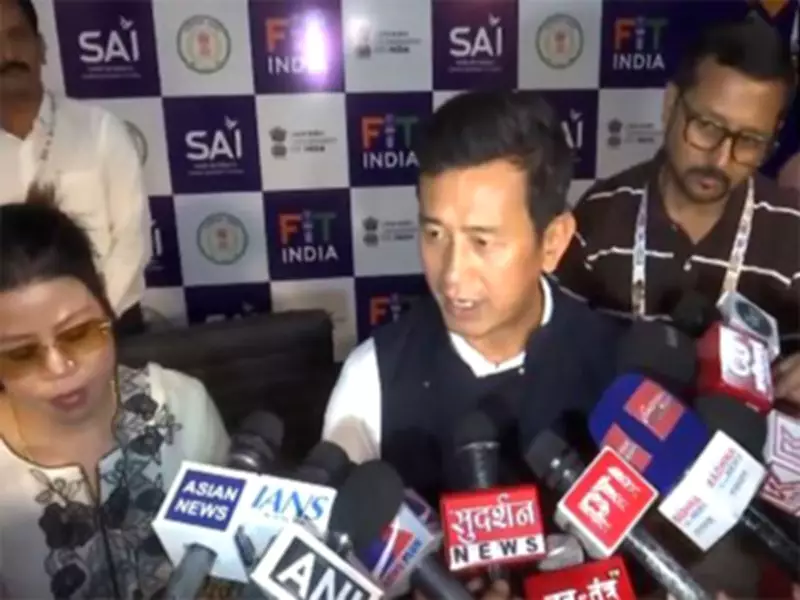
Former Indian football captain and sports icon Bhaichung Bhutia has underscored the immense potential for sports development within India's tribal belts, particularly in light of the upcoming Khelo India Tribal Games 2026. In a recent statement, Bhutia articulated that these games represent a pivotal opportunity to tap into the rich, often overlooked, athletic talent residing in tribal communities across the nation.
Uncovering Hidden Talent and Fostering Excellence
Bhutia emphasized that the tribal regions of India are a veritable goldmine of sporting prowess, with many individuals possessing natural abilities that remain untapped due to limited access to resources and infrastructure. The Khelo India Tribal Games 2026, he noted, is designed to bridge this gap by providing a dedicated platform for tribal athletes to showcase their skills on a national stage. This initiative not only aims to identify and nurture raw talent but also to inspire a new generation of sports enthusiasts from these areas.
The former footballer highlighted that such events are crucial for promoting inclusivity and diversity in Indian sports. By focusing on tribal communities, the games can help break down barriers and create pathways for athletes who might otherwise be excluded from mainstream sporting circuits. Bhutia pointed out that this aligns with the broader goals of the Khelo India program, which seeks to revolutionize sports culture in India by making it more accessible and equitable.

Strategic Impact on Sports Development
Bhutia elaborated on the strategic importance of the Khelo India Tribal Games 2026, stating that it could serve as a catalyst for long-term sports development in tribal belts. He suggested that the event should be leveraged to:
- Establish sustainable sports infrastructure in remote tribal areas, including training facilities and coaching programs.
- Implement talent identification mechanisms that scout for promising athletes from a young age.
- Foster partnerships with local communities and organizations to ensure continuous support and engagement.
Moreover, Bhutia stressed that the games offer a unique chance to celebrate the cultural heritage of tribal communities while integrating it with modern sports practices. This dual focus can enhance community pride and participation, ultimately contributing to a more vibrant and diverse sports ecosystem in India.
Challenges and Opportunities Ahead
While optimistic about the prospects, Bhutia also acknowledged the challenges that need to be addressed to maximize the impact of the Khelo India Tribal Games 2026. These include logistical hurdles in organizing events in remote locations, ensuring adequate funding and resources, and overcoming socio-economic barriers that may hinder participation. However, he expressed confidence that with concerted efforts from government bodies, sports authorities, and private stakeholders, these obstacles can be overcome.
In conclusion, Bhaichung Bhutia's insights highlight a transformative vision for sports in India's tribal regions. The Khelo India Tribal Games 2026 is poised to unlock new opportunities, empower athletes, and foster a more inclusive sporting landscape. As preparations for the games gain momentum, stakeholders are urged to collaborate closely to ensure that this initiative achieves its full potential, paving the way for a brighter future in Indian sports.