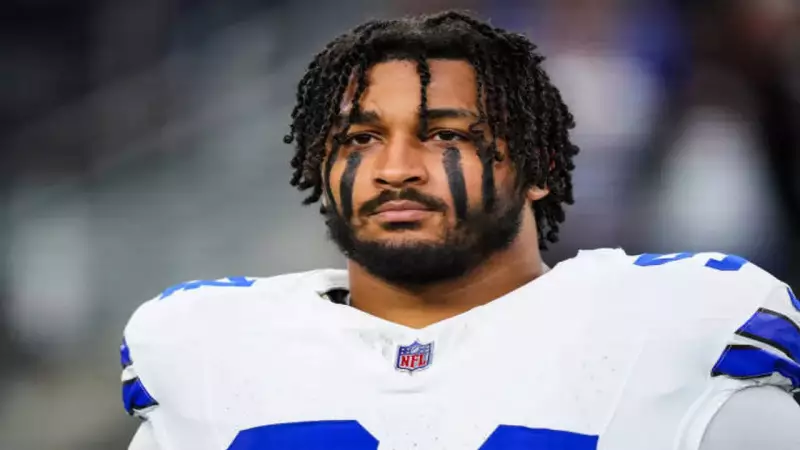
The National Football League is grappling with profound grief and shock following the tragic death of Dallas Cowboys defensive lineman Marshawn Kneeland. The 24-year-old athlete was found dead this week in what authorities are investigating as an apparent suicide, abruptly ending a promising career and sending waves of sorrow across the sports world.
A Promising Career Cut Short
Marshawn Kneeland, renowned for his relentless work ethic, humble nature, and friendly personality, was considered one of the most promising young defenders on the Dallas Cowboys roster. His untimely passing has cast a stark light on the immense mental health challenges faced by professional athletes, often hidden behind their public personas and physical prowess.
The news has intensified critical conversations about the support systems available to players, with experts and sports organizations urgently calling for the NFL to strengthen its mental health resources and player wellness programs.

Micah Parsons' Emotional Tribute
Green Bay Packers linebacker Micah Parsons, who previously shared the Cowboys locker room with Kneeland, broke his public silence on the tragedy. He shared heartfelt memories of his former teammate, highlighting Kneeland's kindness, respect, and passions that extended far beyond the football field.
"Marshawn was a guy who loved his anime, loved his video games, just like anybody else," Parsons recounted emotionally. "He always showed me nothing but respect from the moment he entered the locker room. I just hope he finds his peace, and his family finds their peace in this situation."
As Parsons prepares for an upcoming Monday Night Football game against the Philadelphia Eagles, he confessed that Kneeland's death has profoundly affected him. "I was extremely shocked," he admitted. "You never want to see anyone go this soon, especially at that age."
A Legacy That Sparks Change
Tributes have flooded in from all corners of the NFL, with players, coaches, and fans remembering Kneeland not merely for his talent as a defensive lineman, but as a cherished teammate and loyal friend. Parsons, now a father himself, reflected on the profound loss and the crucial importance of emotional awareness and supporting loved ones.
The tragic death of Marshawn Kneeland serves as a heartbreaking reminder of the critical need for robust mental health support within the high-pressure world of professional sports and society at large. His legacy will endure through the respect he earned, the strong friendships he forged, and the vital conversations about mental wellness his passing has ignited across the NFL.
This tragedy underscores the persistent and urgent need for the NFL and other major sports leagues to implement more comprehensive mental health programs and ensure these resources are easily accessible to players at every stage of their careers.