Tragic End for Dallas Cowboys Star
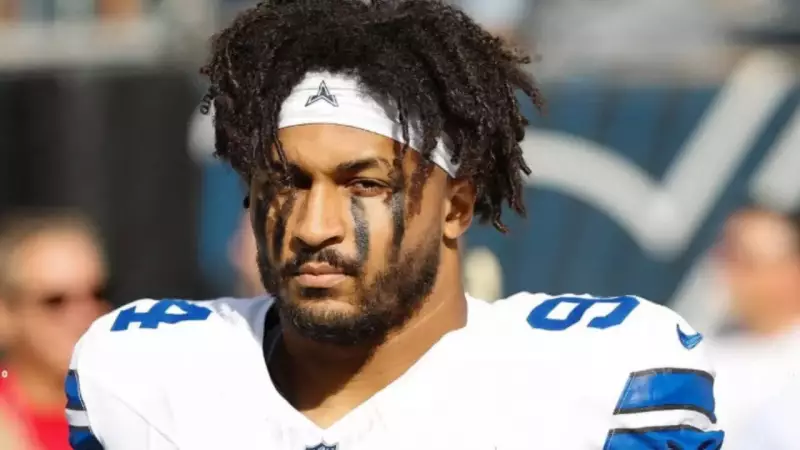
The sports world was shaken on Thursday when Dallas Cowboys defensive end Marshawn Kneeland was found dead in Frisco, Texas. The Texas Department of Public Safety confirmed the 24-year-old athlete died from an apparent self-inflicted gunshot wound.
The tragic sequence of events began on Wednesday evening when officers attempted to stop Kneeland's car at 10:33 PM local time. According to official reports, Kneeland failed to pull over, initiating a police chase that would ultimately end in tragedy.
The Desperate Search
DPS troopers pursued Kneeland's vehicle but eventually lost sight of it. The car was later discovered abandoned after crashing in the southbound lanes of the Dallas Parkway near Warren Parkway. The Frisco Police Department confirmed that Kneeland had fled the scene on foot.

What followed was an intensive search operation that revealed the depth of Kneeland's mental health crisis. Police conducted a welfare check at his residence around 11:40 PM, but found nobody home.
The situation became increasingly concerning when officers spoke with Kneeland's girlfriend, Catalina. She revealed crucial information that painted a worrying picture. Catalina informed police that Kneeland was armed, had a history of mental illness, and had expressed suicidal thoughts.
According to Frisco police dispatch recordings reviewed by The Athletic, an officer reported at 11:30 PM: "We're talking to the girlfriend. She's trying to call his agent. But we're trying to get her to call him first. But she's saying he is armed and has a history of mental illness. And her quote was—He will end it all."
The Final Hours
As the search intensified, Catalina attempted to contact Kneeland's agent, Jon Perzley, while officers worked with Verizon to locate his phone. The crisis escalated around 11:45 PM when Kneeland sent a "goodbye" message to a group chat.
A dispatcher alerted officers that people close to Kneeland had received concerning group texts from him saying "goodbye." Family members began receiving similar messages about 30 minutes later, though it remains unclear whether these were separate messages or part of the same group chat.
The search operation employed K-9 units and drone technology, narrowing the area to less than half a mile west of the Dallas Parkway. The breakthrough came around 1:20 AM when a drone detected blood coming from a portable toilet near a complex.
Thermal imaging revealed someone curled up on the floor inside. Police ended their search at 1:31 AM, approximately three hours after the initial crash, when they confirmed Kneeland had died inside the portable toilet.
The tragedy comes after Kneeland had spoken publicly about his struggle with his mother's death last year. In an emotional interview with The Dallas Morning News a few months earlier, he shared: "It was definitely tough. I just managed it. I had to try to breathe and let all of it out as much as possible with the situation."
Kneeland revealed he carried his mother's ashes with him everywhere, adding, "She helped me a lot in my younger years getting into football. I always had the dream. I always told her—I'm going to the NFL. I put myself in the best position and she helped me out a lot just leading up to the draft. She was right there with me. She's still with me."
The NFL community has been left mourning the loss of the young athlete, with Cowboys quarterback Dak Prescott paying tribute to his teammate. The incident has also sparked conversations about mental health support for professional athletes facing immense pressure.