Dallas Cowboys Make Bold Defensive Move with Rashan Gary Trade
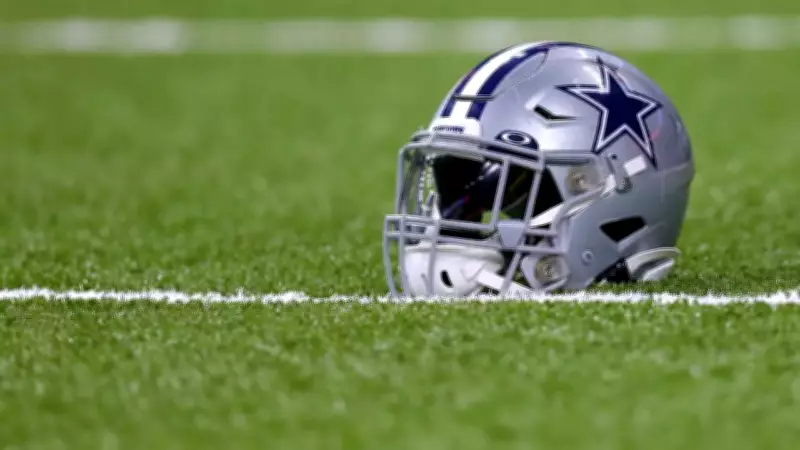
The Dallas Cowboys have made a significant statement this offseason by addressing a critical weakness on their defense. The team executed a trade to acquire edge rusher Rashan Gary, aiming to bolster a unit that struggled with toughness during crucial moments last season. Gary brings a powerful combination of strength, discipline, and proven production to Dallas, potentially transforming their defensive front.
Analyzing the Trade: Strategic Fix or Questionable Decision?
On paper, this acquisition appears to be a smart strategic move. Rashan Gary is a former Pro Bowl player known for his ability to pressure quarterbacks effectively and anchor against the run. Such talent typically commands a high price in the NFL market, yet Dallas managed to secure him early by trading away a mid-round draft pick.
However, not everyone views this transaction as a clear win. While the Cowboys' front office sees Gary as the solution to their defensive woes, several analysts and commentators have expressed confusion and skepticism about the timing and overall value of the deal. The debate centers not on Gary's undeniable talent but rather on whether Dallas made the optimal choice in a market saturated with capable edge rushers.

Critics Voice Concerns Over Timing and Financial Implications
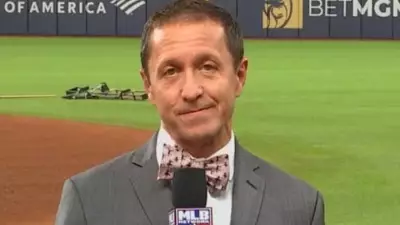
ESPN analyst Ben Solak provided a particularly pointed assessment, labeling the trade as one of the most puzzling offseason decisions. "The Cowboys trading for edge rusher Rashan Gary. I don't mind the fit for Gary in the Cowboys' defense. He's a bulky edge rusher on a team that needs more run-stuffing power," Solak wrote. "But the Cowboys traded a fourth-round pick for Gary's deal, which will average out at a $19.5 million cap hit over the next two seasons. Was that really necessary when Boye Mafe and Bradley Chubb signed close to that amount? When Jonathan Greenard, a similarly strong run defender with a far better pass rush profile, was also available via trade? I'm surprised Dallas chose this option in a rich class of free agent edge rushers."
This criticism highlights legitimate concerns about opportunity cost and financial flexibility. In today's NFL, where salary cap management is paramount, teams must carefully weigh every acquisition against available alternatives. Dallas had multiple options to strengthen their edge rushing corps, making their specific choice of Gary subject to intense scrutiny.
Contract Restructuring Alters the Financial Landscape
Since the initial criticism emerged, the situation has evolved in Dallas's favor. Rashan Gary has agreed to restructure his contract, reducing the total value to $32 million over two years. More importantly, this adjustment creates far more manageable salary cap hits for the Cowboys, providing the team with crucial financial breathing room to build complementary pieces around their new defensive anchor.
This contract renegotiation substantially changes the value equation of the trade. While the cost of surrendering a fourth-round draft pick remains, it appears less significant when balanced against the certainty and control that comes with acquiring a proven veteran through trade rather than engaging in unpredictable free agency bidding wars.
Reflecting Urgency and Immediate Impact
Ultimately, this move reflects the Cowboys' sense of urgency to improve their defense immediately. The organization demonstrated clear intent by acting decisively rather than waiting for free agency to unfold. With Rashan Gary now anchoring their defensive edge, Dallas believes they have secured the impact player needed to elevate their performance, even if the path to acquiring him generated considerable discussion and debate across the NFL community.
The success of this transaction will ultimately be measured on the field during the upcoming season. If Gary delivers the disruptive presence and run-stopping prowess the Cowboys anticipate, the initial skepticism may fade quickly. However, should he struggle to justify the investment, questions about alternative options will likely resurface with greater intensity.