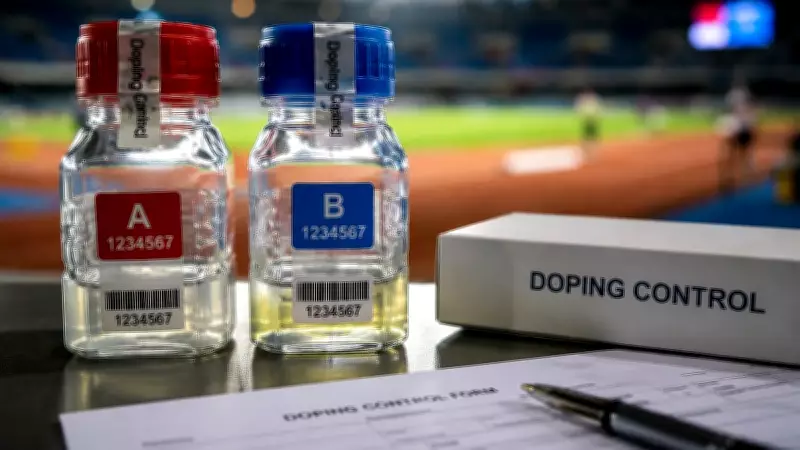
1982 Asian Games: India's First Major Doping Scandal
The 1982 Asian Games held in New Delhi were India's initial encounter with a significant doping crisis. In hindsight, this event was merely the tip of the iceberg, as what lay beneath was a pervasive culture of impunity that endured for decades, according to Malathi Renati.
Decades of Impunity in Indian Sports
Despite the early warning, India struggled to implement effective anti-doping measures. The lack of stringent testing and enforcement allowed athletes to use performance-enhancing drugs with little fear of consequences. This environment fostered a systemic issue that tarnished the nation's sporting reputation.
Impact on Athletes and International Standing
The doping culture not only affected individual athletes but also India's standing in international sports. Multiple athletes faced bans and stripped medals, highlighting the urgent need for reform. The World Anti-Doping Agency (WADA) has since pushed for stricter compliance, but challenges remain.

Path Forward: Strengthening Anti-Doping Efforts
Recent years have seen increased efforts to clean up Indian sports, with the National Anti-Doping Agency (NADA) ramping up testing and education. However, experts argue that a cultural shift is necessary to truly eradicate doping. As Renati notes, the journey towards clean sports requires sustained commitment from all stakeholders.