FIDE Announces Revolutionary Changes to Chess Circuit for Candidates Qualification
The International Chess Federation, known as FIDE, has unveiled sweeping reforms to its Circuit Rating system. This system serves as a crucial pathway to the prestigious Candidates Tournament. The most significant change involves merging the next two competitive years into a single, unified circuit.
From Annual to Biennial: A Fundamental Shift
FIDE is replacing the previous annual ranking cycle with a two-year format. Results from the 2026 and 2027 seasons will now combine into one Circuit ranking. This marks a historic departure from the past structure.
Under the new rules, a player's final score will be the sum of their twelve highest event scores across the two-year period. If a player competes in fewer than twelve eligible tournaments, all their scores will count.

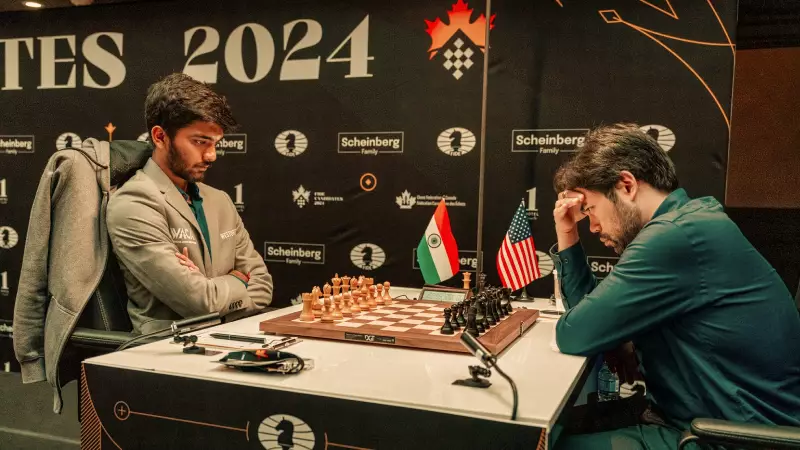
This overhaul follows the qualification of Fabiano Caruana and India's own R. Praggnanandhaa. Caruana secured his spot for the Candidates 2026 through the 2024 circuit. Praggnanandhaa earned his place via the 2025 circuit under the old annual system.
Key Regulatory Updates for the 2026-27 Circuit
FIDE has introduced several specific changes to refine the qualification process:
- Expanded Results Counting: More tournament results now contribute to the final Circuit rankings. This change rewards consistent performance over time.
- New Open Circuit Sub-Ranking: A separate ranking system has been created specifically for open tournaments. This provides an additional pathway for players.
- Tournament Strength Recalculation: The methodology for evaluating tournament quality has been updated. The average rating will now consider the top twelve players instead of the top eight.
- Rapid & Blitz Expansion: Eligibility criteria for faster time-control tournaments have been broadened. The minimum average rating for these events is now 2650, lowered from 2700.
- Total Chess Tour Integration: The World Championship Tour is now formally included in the FIDE Circuit structure. Its results will count toward player scores.
- Championship Bonus Adjusted: Scoring for the World Championship Match runner-up has been recalibrated. Its coefficient is reduced to 1.5 to better balance match performance against tournament consistency.
Strengthening the Focus on Classical Chess
The new regulations place a firm emphasis on classical chess. Important balance rules have been implemented.
When a final score is calculated from eleven or twelve events, no more than four of those may be rapid or blitz tournaments. This ensures classical play remains central to qualification.
To encourage participation in stronger fields, limits are set for events with smaller turnouts. For scores based on eleven results, no more than seven events can have fewer than 50 participants. For twelve results, the limit is eight events. These thresholds adjust proportionally for scores from ten or fewer tournaments.
Eligibility Requirements for Candidates Qualification
Qualifying for the Candidates Tournament via the Circuit now demands specific participation criteria.
Players must compete in a minimum of eight eligible tournaments. At least five of these must be standard classical time-control events.
Depending on the total number of tournaments counted, a specific minimum of these classical events must also have had 50 or more participants. Notably, events where a player scores zero points can still count toward meeting the participation requirements.
The New Open Circuit Pathway
FIDE has created a new Open Circuit sub-ranking to highlight performance in large open events. This ranking will only include tournaments with over 50 participants.
Top performers within this sub-ranking will earn qualification opportunities for elite FIDE competitions like the Total Chess Tour. This strengthens the link between open tournaments and the top-level pathway, offering more chances for emerging talent.

Implementation and Approval
The FIDE Council approved these updated regulations in December 2025. They officially came into force on January 1, 2026. This comprehensive overhaul aims to create a more balanced and competitive qualification system for the world's best chess players.