Formula E Season 12 Madrid E-Prix: The Strategic Power of Pit Boost
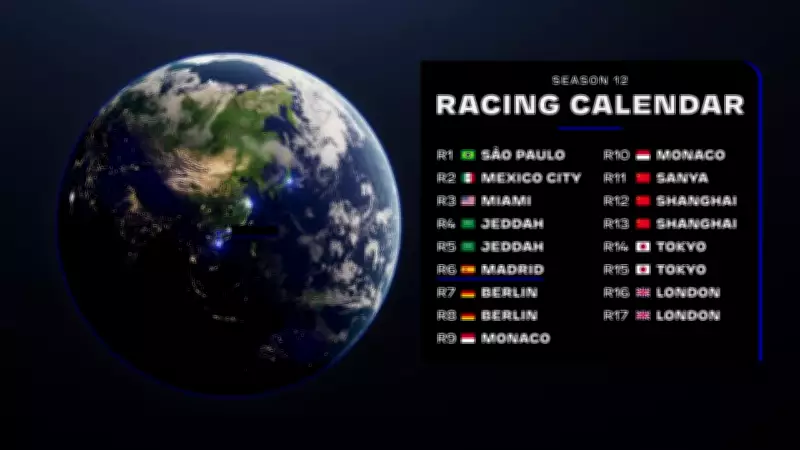
The sixth round of Formula E Season 12 in Madrid delivered high-voltage action, with a special spotlight on the innovative Pit Boost feature. This strategic element is reshaping how teams approach energy management and race tactics in the world of electric motorsport.
What is Pit Boost in Formula E?
Pit Boost represents a critical tactical tool in Formula E racing. Unlike traditional pit stops for refueling or tire changes, this feature allows drivers to gain a temporary power advantage during designated pit windows. The system is intricately linked to the car's energy management protocols, requiring precise timing and strategic foresight from teams.
How Pit Boost Influenced the Madrid E-Prix
During the Madrid race, captured in stunning 50fps globe long shots, the Pit Boost feature emerged as a game-changer. Key moments where drivers activated their boost during pit stops directly impacted overtaking opportunities and defensive maneuvers. Teams had to carefully balance:

- Energy allocation between race pace and boost reserves
- Optimal timing for pit stop execution
- Strategic positioning relative to competitors
The Madrid circuit's unique characteristics made Pit Boost deployment particularly crucial. With its mix of high-speed sections and technical corners, drivers needed to maximize their energy efficiency while preserving enough reserve for strategic boosts at critical moments.
The Technical and Strategic Dimensions
Formula E's Pit Boost system operates within strict energy constraints. Each car has a limited amount of additional energy that can be deployed during pit stops, typically providing a short-duration power increase of approximately 30-50 horsepower. This temporary advantage can:
- Create overtaking opportunities immediately after pit exits
- Defend against attacks from following cars
- Compensate for energy management errors earlier in the race
- Influence final race positions in closely contested battles
Teams must calculate the optimal deployment strategy based on multiple factors including remaining race distance, competitor positions, track conditions, and energy consumption rates.
Broader Implications for Formula E Racing
The Madrid E-Prix demonstrated how Pit Boost has evolved from a novelty feature to a core strategic component. As Formula E continues to push the boundaries of electric racing technology, features like Pit Boost:
- Add an extra layer of strategic complexity to races
- Create more unpredictable and exciting racing
- Highlight the importance of energy management skills
- Differentiate Formula E from other motorsport categories
The successful implementation in Madrid suggests that Pit Boost will remain a key feature in future Formula E seasons, potentially with refinements to make it even more integral to race strategy.
As Formula E Season 12 progresses, the strategic use of Pit Boost features like those showcased in Madrid will likely become increasingly sophisticated, with teams developing more advanced algorithms and real-time decision-making processes to maximize their competitive advantage.