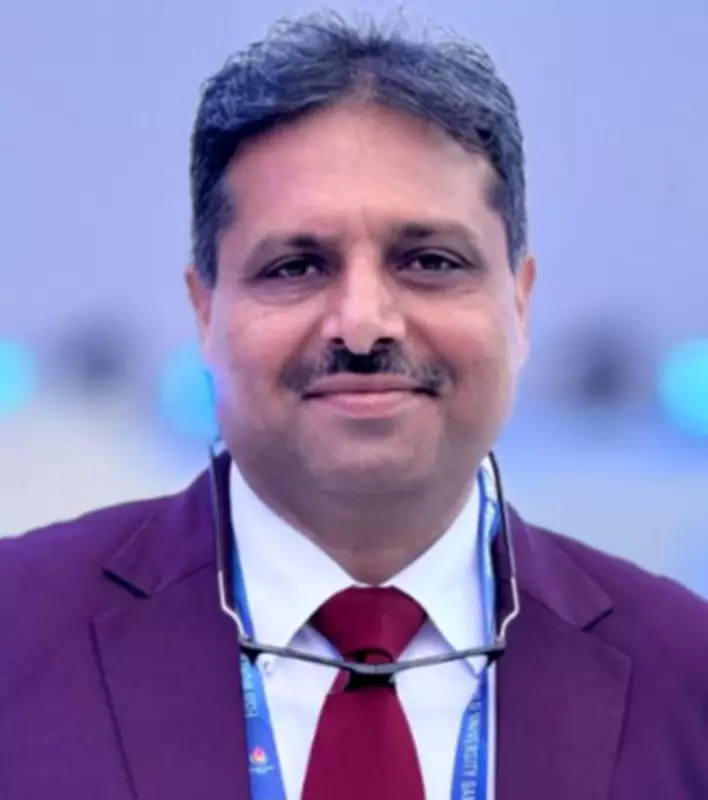
In an exclusive interview with Lovleen Bains, Rakesh Malik, Director of Physical Education and Sports at Panjab University (PU), Chandigarh, highlighted the urgent need for full-time coaches and a robust grassroots ecosystem to revive the state's traditional sports culture. Here are the excerpts:
Grassroots to Podium: The Missing Link
Malik pointed out that grassroots input in Punjab is minimal compared to Haryana, which is often hailed as the country's sports powerhouse. He noted that the dropout rate in sports is extremely high at secondary and senior secondary levels, primarily because parents do not view sports as a promising profession.
Changing Parental Mindset
To convince parents to see sports as a safe and respectable career, Malik stressed the need to change their mindset. He emphasized that parents fail to recognize the power of sports and health as a profession in a multi-disciplinary society. Acceptance must begin at home.

Screen Addiction vs. Sports
Malik believes that only sports can reverse the trend of screen addiction among children. He called for a strong education program where sports and academics go hand-in-hand, with the motto 'Education with play' to ensure sports are not reduced to mere training.
Auditing Grassroots Facilities
Regarding the crores spent on stadiums that remain locked, Malik suggested following Haryana's grassroots policy with amendments. He emphasized that regular coaches at block level in all Olympic disciplines are the need of the hour.
Barriers for Girls in Sports
Malik acknowledged that while PU is taking steps to increase women's participation, the challenge lies at the grassroots. The state's sports ecosystem operates on three tiers: village, block and school level; state and inter-college competitions; and university level. Many girls drop out before reaching the third tier due to safety and security concerns, especially during travel for training or competitions. There is also a shortage of women teachers and coaches at village and school levels.
Why PU Athletes Don't Make It to Senior Teams
Despite PU winning the Khelo India University Games, few athletes progress to senior India teams. Malik noted that players from other states like Haryana, Rajasthan, Delhi, Manipur, Karnataka, and Kerala are attracted to PU's lucrative sports policy, but local talent from Punjab is not strong enough to win medals. The state needs a better sports culture with support from government and private bodies.
NRI Donations and Sustainability
While NRIs donate for grounds in villages, these initiatives are often short-term. Malik called for a strong support system through public-private partnerships and joint ventures backed by long-term mechanisms to establish academies.
Traditional Sports vs. Cricket
Punjab has long been known for champions in kabaddi, hockey, and athletics. However, if schools and local sports centers provide only cricket kits and limited opportunities in other sports, traditional games may decline. Equal investment in kabaddi, hockey, athletics, wrestling, and other indigenous sports is essential to preserve the state's sporting identity and offer children a wider choice.
Retaining Rural Talent
To prevent rural talent from migrating, Malik emphasized the need for a minimum support system including qualified coaches, nutrition support, residential facilities, sports science and medical care equipment, playing surfaces, and an educational and competitive environment. The goal should be to create a block-level ecosystem where all essential facilities are available.