Giants and Bengals Execute Major Trade Days Before 2026 NFL Draft
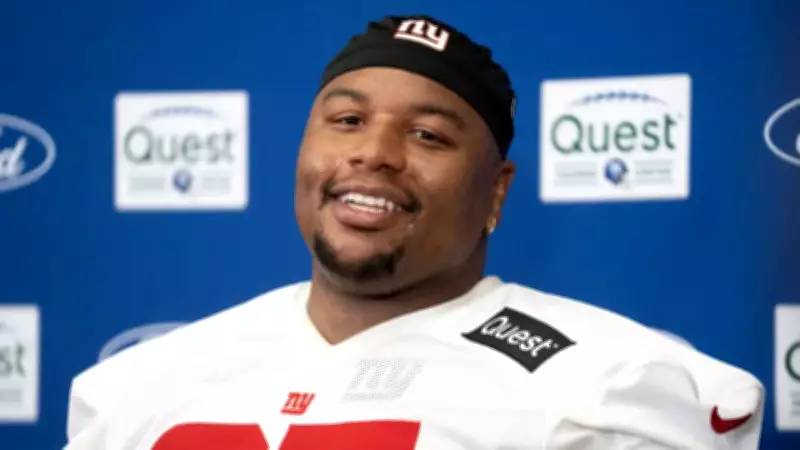
In a stunning move less than a week before the 2026 NFL Draft, the New York Giants and Cincinnati Bengals have completed a blockbuster trade that sends defensive tackle Dexter Lawrence to Cincinnati in exchange for the No. 10 overall pick. The deal, pending a physical examination, resolves a tense contract standoff and dramatically alters both franchises' immediate trajectories heading into Thursday night's draft proceedings.
What the Dexter Lawrence Trade Means for the New York Giants
For the Giants, this transaction represents less about losing a star player and more about regaining organizational control. Dexter Lawrence established himself as one of the league's most disruptive interior defenders, yet contract extension negotiations never gained meaningful traction. His subsequent trade request made the situation unavoidable, prompting the front office to prioritize flexibility over continued friction.
The return package tells its own compelling story. Converting a disgruntled player into a top-10 draft selection was not widely anticipated around the league. Now, New York possesses both the No. 5 and No. 10 picks in a draft many analysts consider lacking in elite, can't-miss talent. This creates significant opportunity but also substantial pressure to correctly evaluate and select players with both premium choices.

A clear philosophical shift accompanies this move. Head coach John Harbaugh stated earlier this month, "We want Dexter here, I believe Dexter wants to be here." But he notably added, "Everybody's tradable." That statement carries considerably more weight today. The Giants organization appears to be prioritizing alignment and cultural cohesion over individual reputation and past production.
Nevertheless, the football reality remains difficult to ignore. Lawrence leaves behind a substantial void in the middle of the defensive line. Replacing his consistent production and disruptive presence will prove challenging, particularly in a draft class without many proven interior defensive anchors. New York now bets on youth, draft capital, and volume rather than relying on one established, dominant presence.
How Dexter Lawrence Transforms the Cincinnati Bengals' Defense
Cincinnati did not merely execute a transaction; they made a definitive statement. After finishing near the bottom of the league in crucial defensive metrics last season, the Bengals opted for certainty over projection. They surrendered a valuable draft asset to acquire a player capable of immediately reshaping their defensive front.
The defensive need was glaringly obvious. With Trey Hendrickson departed, the pass rush lacked consistent pressure, while the run defense struggled throughout the entire previous campaign. Lawrence addresses multiple deficiencies simultaneously. He brings formidable power inside, consistently demands double-team attention from opposing offensive lines, and creates favorable matchups for edge rushers who were often left isolated last season.
What stands out most prominently is Cincinnati's shift in organizational approach. The Bengals have historically exercised caution regarding major personnel moves, but this offseason narrative differs substantially. Previous additions like Jonathan Allen, Boye Mafe, and Bryan Cook signaled aggressive intent. Trading for Lawrence confirms and amplifies that strategic direction.
A broader competitive context informs this decision. With franchise quarterback Joe Burrow in his athletic prime, patience no longer represents a viable luxury. The Bengals have missed the playoffs for three consecutive seasons. While injuries contributed significantly, defensive failures proved harder to excuse. This trade reflects unmistakable urgency to capitalize on their championship window.
Critics will inevitably question the acquisition price. A top-10 draft pick carries substantial long-term value, especially considering the cost-controlled nature of rookie contracts. However, Cincinnati appears to have thoroughly evaluated the draft board and determined it lacked players matching their immediate defensive needs. Rather than hoping the right prospect might fall to them, they proactively secured an established player who perfectly fits their schematic requirements.

Why Both Teams Deemed This Deal Necessary Now
The answer resides as much in timing as in pure football talent evaluation. The Giants confronted a contract impasse that risked lingering into the regular season, creating potential distractions. The Bengals faced a narrowing competitive window with their franchise quarterback approaching his peak years. Both organizations acted decisively before these pressures intensified further.
For New York, this move avoids a protracted, potentially divisive distraction. For Cincinnati, it eliminates uncertainty heading directly into the draft. Neither franchise waited passively for circumstances to resolve themselves; they forcefully engineered their preferred outcome.
In doing so, they have fundamentally reshaped the early portion of the first round. One team gains enhanced flexibility and additional draft capital. The other acquires immediate defensive certainty and proven production. This fundamental contrast will ultimately define how this significant trade is judged in the coming seasons.