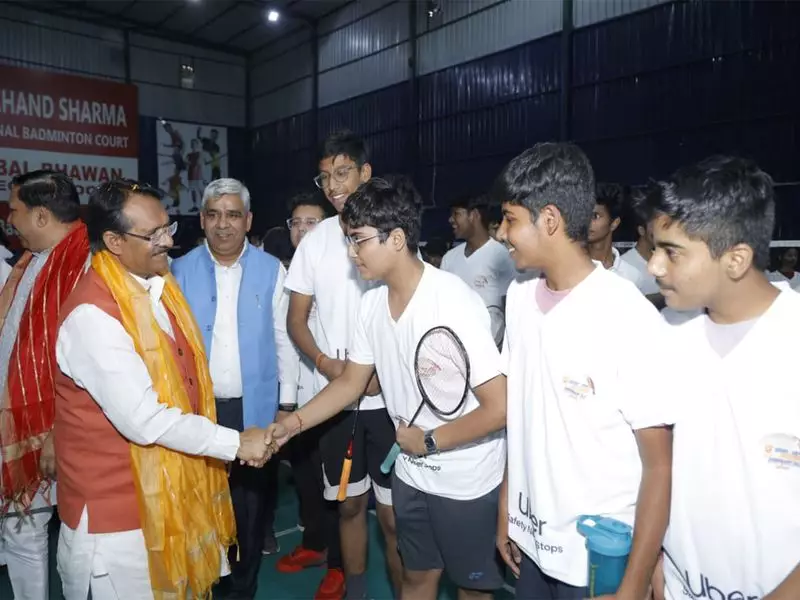
Union Minister of State for Youth Affairs and Sports, Harsh Malhotra, has made a powerful statement about the role of sports in national development, positioning athletic activities as equally important as traditional education and cultural preservation.
A New Vision for Indian Sports
During a recent address that has sparked conversations across educational and sporting circles, Harsh Malhotra articulated a transformative perspective on how India should approach sports development. The minister emphasized that sports deserve the same level of importance and recognition that the country traditionally reserves for academic education and cultural heritage.
The Union Minister declared that sports should receive equal importance as education and culture, marking a significant shift in how policymakers view athletic development in the country. This statement comes at a crucial time when India is increasingly making its mark on the global sports stage.

Integrating Sports into National Development
Malhotra's vision extends beyond mere participation in sporting events. He sees sports as an essential component of holistic national growth and individual development. The minister highlighted how athletic activities contribute to building character, discipline, and teamwork among young Indians - qualities that are equally valuable in academic and professional spheres.
The government's approach recognizes that sports development requires the same systematic planning and resource allocation as other critical sectors. This paradigm shift could potentially transform how schools, communities, and local governments prioritize sports infrastructure and training programs.
Transforming Youth Development in India
This renewed emphasis on sports aligns with broader initiatives to empower Indian youth through multiple channels of development. By placing sports on equal footing with education and culture, the government aims to create more balanced development opportunities for young people across the country.
The minister's statement suggests that future policies might integrate sports more deeply into educational frameworks and community development programs. This could mean better sports facilities in schools, increased funding for athletic training, and greater recognition for sports achievements at par with academic accomplishments.
As India continues to evolve as a sporting nation, such policy directions from top leadership could accelerate the development of world-class athletes while simultaneously promoting sports participation at grassroots levels. The emphasis on sports as a crucial pillar of national development reflects a mature understanding of how countries can build competitive advantages while fostering healthier, more disciplined citizens.