India's Sports Industry Enters Unprecedented Growth Phase
India has entered what experts are calling a sporting Amrit Kaal, a golden era where the convergence of government policy and private capital is creating an entirely new economic ecosystem. The numbers tell a compelling story: what was once a modest $2 billion spectator sports market is now hurtling toward a staggering $130 billion opportunity by 2030. This represents not just incremental growth but a fundamental transformation of India's sports landscape.
The Foundation: Government Initiatives and Infrastructure
At the heart of this revolution lies a comprehensive new playbook that combines government-backed infrastructure development with franchise-led professionalization, technology-enabled access, and the unleashing of India's demographic dividend. The Khelo India programme, launched in 2017 and allocated a record ₹3,794 crore budget for FY 2025-26, has been instrumental in revolutionizing talent development and sports infrastructure across the nation.
With 326 new projects and 1,045 district centres established, Khelo India has supported 2,845 athletes directly and seen participation from over 50,000 individuals. This aggressive investment is already yielding tangible results, as evidenced by India's Paralympic medal count jumping from just 4 in Rio 2016 to an impressive 29 in Paris 2024. The newly introduced Khelo Bharat Niti 2025 further solidifies sports as central to India's Viksit Bharat 2047 vision, including an audacious bid to host the 2036 Olympics.

The Superstructure: Franchise Leagues and Commercial Growth
If government infrastructure provides the foundation, franchise leagues are creating the superstructure that drives commercial velocity. The Indian Premier League remains the crown jewel of this ecosystem, now valued at over $16 billion and recognized as the world's second-richest sports league. The Women's Premier League, launched in March 2023, has demonstrated remarkable commercial viability in a short timeframe, while the Pro Kabaddi League has successfully modernized an ancient sport into prime-time entertainment.
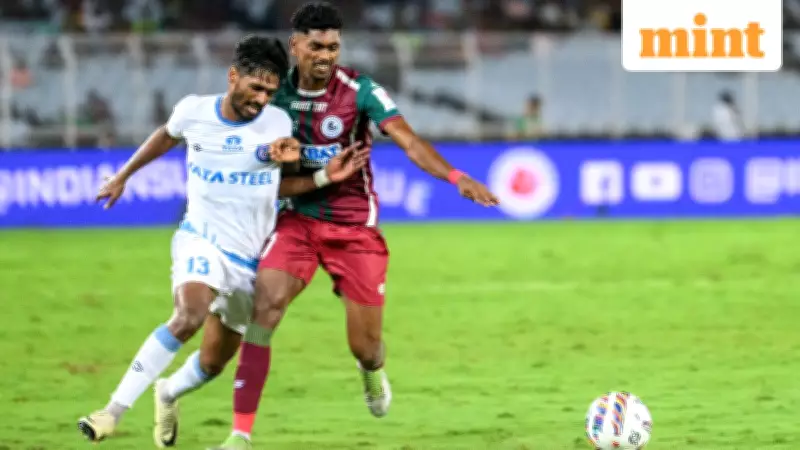
The impact extends well beyond cricket. The Indian Super League has found renewed vigor, showing how the franchise model can galvanize a sport, while the Pro Kabaddi League continues to be a standout success in tier II and tier III cities. Emerging leagues in pickleball, basketball, volleyball, and chess are creating year-round sporting calendars that keep fans engaged throughout.
This franchise model has created robust economic ecosystems. India's sports sponsorship industry crossed ₹16,633 crore in 2024, growing 6% year-on-year, with athlete endorsements surging 32% and emerging sports sponsorships rising 19%. The Premier Badminton League, though smaller in scale, has consistently provided a platform for Indian talent while attracting significant sponsors, demonstrating the potential for individual sports.
Critical Priorities for Sustained Growth
The opportunity is clear and substantial. By 2030, India's sports market could reach $130 billion, growing at a 14% compound annual growth rate—nearly double the pace of India's gross domestic product. The government projects this growth will create 10.5 million jobs and generate $21 billion in indirect tax revenue by the decade's end. However, capturing this opportunity requires disciplined execution across several critical areas.
Sustaining Infrastructure Investments: India's 1,045 Khelo India Centres must be consistently upgraded and maintained, not left to decay after initial ribbon-cutting ceremonies. Private-public partnerships and Corporate Social Responsibility convergence can accelerate this ongoing maintenance and development.
Expanding Talent Pipelines: The Khelo India Rising Talent Identification programme's 174 Talent Assessment Centres should expand to 500+ by 2027, ensuring no district is left unmapped. Scholarships, coaching stipends, and nutrition support must scale in proportion to talent identification, creating a robust and equitable pathway from grassroots to international competition.

Professionalizing Governance: India's sporting federations need greater transparency, meritocracy, and performance accountability. The proposed National Sports Governance Bill must prioritize athlete welfare over politics, mandating independent oversight and stringent ethical standards to rebuild trust and efficiency.
Unlocking Women's Sports: Women's cricket's 24.78% compound annual growth rate is just a preview of what's possible across football, hockey, and athletics if brands and broadcasters commit resources now. The significant untapped commercial potential and fan engagement in women's sports represents one of the largest growth opportunities in the entire sector.
Building for 2036: Hosting the Olympics is not merely about prestige—it serves as a forcing function for developing world-class infrastructure, event management capability, and global brand building. Every rupee spent on 2036 readiness represents an investment in decades of sporting credibility, positioning India not just as a participant but as a global leader in sports hosting and development.
Navigating Challenges Ahead
Professionalizing sports governance bodies remains a persistent hurdle. Resistance to change from entrenched interests, lack of transparency in decision-making, and a persistent focus on administrative power rather than athlete welfare continue to plague many federations. Ensuring accountability and moving away from ad hoc interventions toward a system-driven approach is paramount, requiring strong political will and sustained pressure from all stakeholders.
Preparing for mega-events like the potential 2030 Commonwealth Games or the 2036 Olympics also presents formidable challenges. Past experiences highlight the struggle to keep facilities operational and up to date after events conclude. Significant challenges exist in developing sophisticated event management capabilities, securing diverse and long-term funding streams beyond government allocations, and building a global reputation for seamless, efficient, and memorable hosting.
India's sporting Amrit Kaal is not a distant dream but a tangible opportunity that requires immediate and focused action. The convergence of policy, private capital, and demographic advantage has created a unique moment in India's sporting history—one that could transform the nation into a global sporting powerhouse within the coming decade.