Jan Ullrich: The Rise, Fall, and Financial Legacy of a Cycling Icon
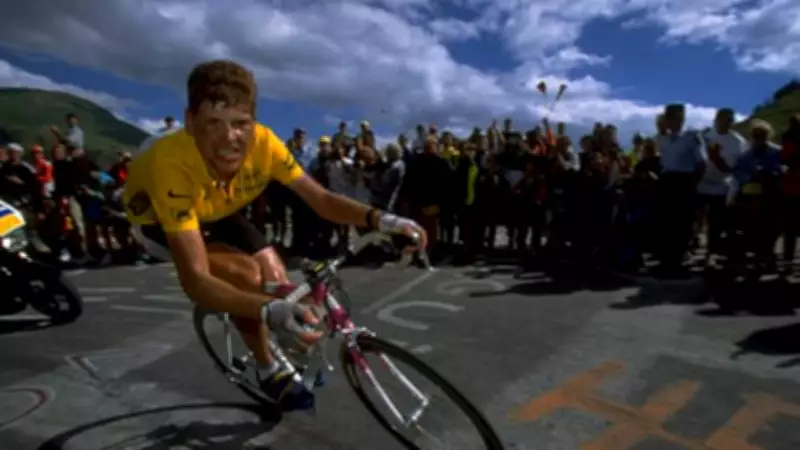
Jan Ullrich stands as one of the most prominent figures in German sports history, a former cycling superstar whose career trajectory encapsulates both extraordinary athletic achievement and profound personal challenges. Best remembered for his historic victory at the 1997 Tour de France, Ullrich became the first German cyclist ever to conquer the world's most prestigious race, catapulting him to international fame and transforming the landscape of professional cycling in Germany.
Early Beginnings and Meteoric Rise to Cycling Stardom
Born on December 2, 1973, in Rostock, East Germany, Jan Ullrich demonstrated exceptional cycling talent from an exceptionally young age. He began his formal training with SG Dynamo Rostock as a child, winning his first competitive race by the age of nine. His development continued at the prestigious KJS sports school in Berlin, where he earned recognition as an East Germany champion, laying the foundation for his future professional success.
Ullrich turned professional in 1995 when he joined the renowned Team Telekom. His breakthrough performance arrived during the 1996 Tour de France, where he finished an impressive second overall. The following year, he delivered a masterful display of cycling dominance, winning crucial mountain stages and time trials to secure the coveted yellow jersey and ultimate victory in the 1997 Tour de France.

Peak Success and Substantial Financial Rewards
Ullrich's 1997 Tour de France triumph triggered an unprecedented cycling boom across Germany, earning him the title of the nation's "sports person of the year." His success attracted massive commercial attention, with sponsors, endorsement deals, and substantial prize money flowing in rapidly. During his competitive peak, Ullrich ranked among the highest-paid cyclists globally, with earnings derived from race winnings, lucrative team contracts, and high-profile sponsorship agreements.
Beyond his Tour de France victory, Ullrich accumulated an impressive collection of major cycling accomplishments. He claimed victory at the Hamburg Cyclassics and the Vuelta a España in 1999, became world time trial champion, and achieved Olympic glory at the 2000 Sydney Games with a gold medal in the road race and a silver medal in the time trial. Each of these successes contributed significantly to his growing financial portfolio and public stature.
Controversies, Setbacks, and Lasting Financial Impact
Despite his athletic brilliance, Ullrich's career became increasingly overshadowed by controversy and personal difficulties. Injuries, competitive suspensions, and a major doping scandal severely damaged his professional reputation. In 2012, he was formally found guilty of doping violations, admitting to the charges the following year in 2013.
These setbacks marked a dramatic decline in his cycling career, yet his earlier achievements continue to define his financial standing. According to celebrity net worth estimates, Jan Ullrich's current net worth stands at approximately $20 million, a testament to his dominant years at the pinnacle of world cycling. This substantial wealth primarily originates from the considerable earnings amassed during his prime competitive seasons, demonstrating the lasting economic impact of his sporting success.
Enduring Legacy in Cycling History
Jan Ullrich's story represents a complex narrative of spectacular triumph and profound adversity. His career achievements—including major race victories, Olympic medals, and world titles—solidify his position as one of the most talented riders of his generation. Simultaneously, his struggles with doping allegations and off-field issues have created a multifaceted legacy that continues to spark discussion within the cycling community.
Ultimately, Ullrich's journey from East German prodigy to Tour de France champion and his subsequent navigation of professional challenges highlight both the immense rewards and significant pressures inherent in elite sports. His estimated $20 million net worth serves as a tangible reminder of his period of cycling dominance and his enduring influence on the sport's development in Germany and beyond.