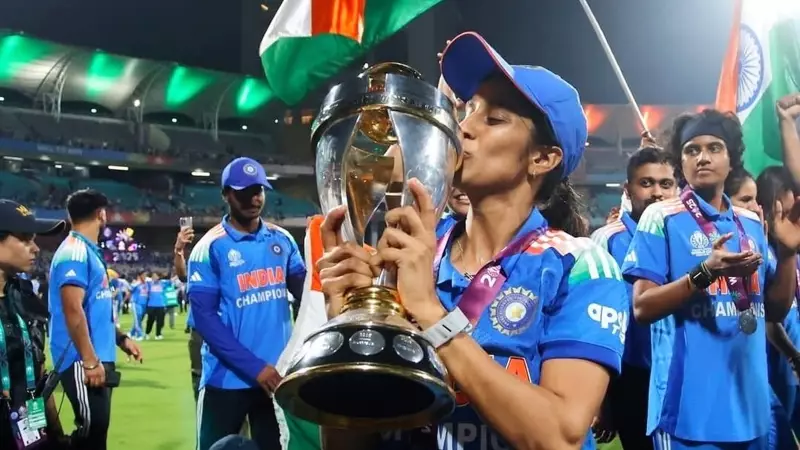
In a candid revelation that pulls back the curtain on a rarely discussed challenge in professional sports, Indian women's cricket star Jemimah Rodrigues has spoken openly about playing through intense period pain. The batter shared her experiences and those of her teammates in a recent podcast conversation, shedding light on a physical and mental battle often fought in silence on the field.
The Hidden Struggle on the Cricket Pitch
During a conversation with popular podcaster Ranveer Allahabadia, Rodrigues provided a stark glimpse into the reality for many female athletes. "I'm kind of blessed, because some women get very bad stomach pain; I don't get it, but my mom used to get very bad pain," she stated, acknowledging her own relative fortune. However, she immediately highlighted the severity of the issue within her team environment.
"I've seen women in my team suffer. It's bad. Sometimes they can't walk," Rodrigues revealed. She elaborated on the multifaceted impact of menstruation, describing energy depletion, significant mood swings, and debilitating pain that can make leaving bed seem impossible. Her comments, made public on January 3, 2026, underscore a significant but under-discussed aspect of women's athletic performance.

Medical Perspective: Understanding Dysmenorrhea
Dr. Anshumala Shukla Kulkarni, Head of Gynaecology Laparoscopic and Robotic Surgery at Mumbai's Kokilaben Dhirubhai Ambani Hospital, explained the medical basis for such pain. She clarified that while some discomfort is normal during menstruation, excessive pain that disrupts daily life is not and may signal an underlying health condition.
Dr. Kulkarni identified the condition as dysmenorrhea, which can be primary (pain during menstruation without an associated disease) or secondary (pain caused by conditions like endometriosis, uterine fibroids, or pelvic inflammatory disease). The pain is primarily driven by prostaglandins, hormones that cause uterine contractions to shed the lining, which also trigger inflammation and pain. She noted that diets high in processed foods and sugars can exacerbate this inflammation.
Managing Pain and When to Seek Help
The gynaecologist provided a list of evidence-based strategies to manage period pain, emphasizing lifestyle and dietary modifications. Key recommendations include:
- Applying a heating pad to the pelvic area or lower back.
- Gentle abdominal massage and taking warm baths.
- Maintaining regular physical exercise.
- Consuming light, nutritious meals and reducing intake of salt, alcohol, caffeine, and sugar to limit bloating.
- Practicing relaxation techniques or yoga.
- Considering vitamins and supplements like B-6, B-1, E, omega-3 fatty acids, calcium, and magnesium, after consultation.
- Using over-the-counter anti-inflammatory medication, but only after consulting a doctor.
Dr. Kulkarni issued a crucial warning: If menstrual pain consistently interferes with basic monthly tasks or is accompanied by abnormal bleeding or sudden severe cramping, consulting a gynaecologist is imperative. Untreated underlying conditions can lead to serious complications, including scar tissue and infertility.
A Testament to Resilience and Passion
Rodrigues framed the discussion within the context of the athletes' dedication. Her words illuminated how menstruation saps energy, affects on-field performance, and tests mental fortitude—factors that receive scant recognition in the professional sporting arena. Despite these challenges, the drive to compete remains undiminished.
"We push through because we love the game and we play for our country," she asserted, paying tribute to the resilience that defines her and her teammates' careers. This openness from a high-profile athlete like Rodrigues is a significant step in normalizing conversations about women's health in sports, challenging the stigma and encouraging a more supportive environment for female competitors at all levels.