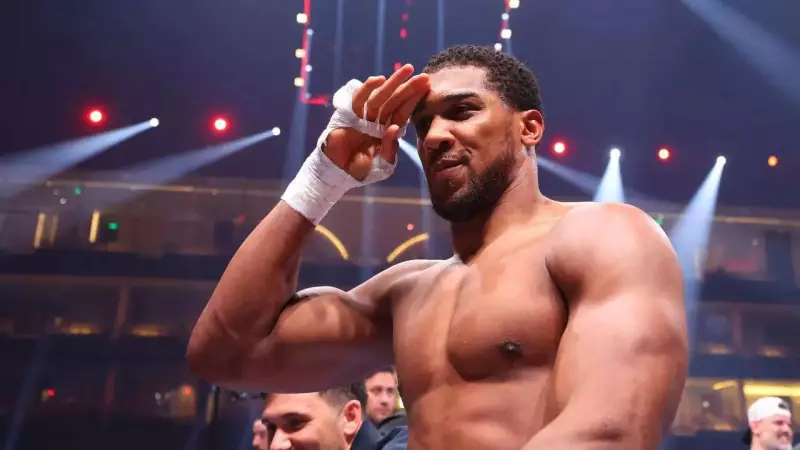
A deeply personal moment of grief between two elite fighters has spilled into the public domain, shifting focus from sports rivalry to a fundamental debate about privacy, respect, and the boundaries of public sharing.
A Tragic Accident and a Private Call for Comfort
The incident stems from a tragic car accident in Nigeria that claimed the lives of two of Anthony Joshua's closest friends, Sina Ghami and Latif Ayodele. The former heavyweight champion survived the crash but sustained injuries, requiring hospital treatment. While recovering, Joshua reached out for solace to a fellow fighter he trusted—Kamaru Usman.
Usman was in Lagos for the African Knockout Championship event when he received the FaceTime call. During their conversation, Joshua, visibly bandaged, appeared calm but emotionally distant. He explained that his friends had died instantly and admitted that the reality of the loss had not yet sunk in, describing everything as feeling unreal. He reflected on life's fragility and acknowledged his own fortune in surviving.

From Private Moment to Public Controversy
This raw, human exchange, born from shared tragedy rather than sporting competition, was intended to be private. However, the conversation later appeared on Kamaru Usman's YouTube channel, transforming a moment of vulnerability into public content.
The release of the video dramatically altered the public narrative. What began as a story of personal loss and survival quickly morphed into a heated controversy. Fans and observers were sharply divided on the ethics of sharing such a sensitive interaction.
Fan Reaction and the Core Debate
Many fans expressed dismay, questioning why Usman felt the need to publicize a vulnerable conversation held during a time of profound grief. Accusations of seeking attention at a sensitive time were levied against the former UFC champion.
A smaller contingent defended the move, suggesting that fans deserved reassurance about Joshua's condition or that Joshua may have granted permission before the video was posted. Despite these arguments, the core of the story ceased to be about combat sports. It became a pointed discussion about where the line should be drawn between private pain and public content, especially for global sporting icons.
Following the call, Joshua spent New Year's Eve resting in the hospital before flying back to the UK for the funerals. The leaked call, however, ensured that his period of mourning was accompanied by an unwelcome public debate on the limits of his privacy.