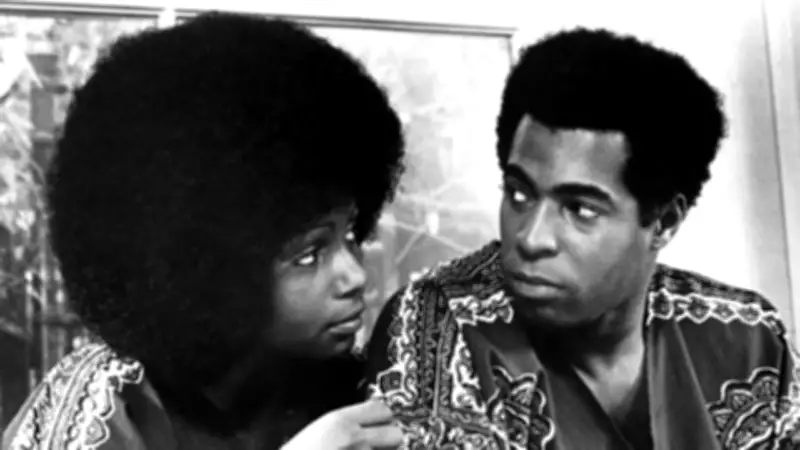
Baseball Community Mourns the Loss of Judy Pace Flood at 83
Sad news has emerged from the baseball world, as Judy Pace Flood, the widow of late Major League Baseball legend Curt Flood, has passed away at the age of 83. Her family confirmed that she died peacefully in her sleep on March 11, 2026. The announcement has prompted an outpouring of sympathy from fans and the baseball community alike.
MLB Players Association Expresses Condolences
Soon after the news became public, the Major League Baseball Players Association (MLBPA) shared a heartfelt message of sympathy. The union remembered both Judy Pace Flood and the powerful legacy of her husband, who fundamentally changed the history of baseball players’ rights through his courageous stand. In an official statement, the MLBPA said, “The MLBPA and the community of players are saddened by the passing of Judy Pace Flood, the widow of the late Curt Flood.” This tribute underscores her enduring connection to the sport and its ongoing evolution.
A Multifaceted Career in Entertainment
Judy Pace Flood was known not only as the wife of a baseball pioneer but also as a successful actress and model in her own right. Born in Los Angeles in 1942, she first gained attention as a model for the Ebony Fashion Fair during its 1961 and 1962 tours, where she was the youngest participant in the national show. Her acting career soon followed, with her film debut in 13 Frightened Girls in 1963, which led Columbia Pictures to sign her. She later appeared in popular television series such as Peyton Place and The Young Lawyers.

Her work earned significant recognition, including an NAACP Image Award in 1970, and she appeared in the famous television film Brian's Song, which was watched by millions of viewers. Despite her achievements in entertainment, many remember her most for her steadfast support of Curt Flood during a pivotal moment in baseball history.
Standing Beside Curt Flood in a Historic Battle
Curt Flood’s fight against the MLB reserve clause and Judy Pace Flood’s unwavering support remain a major part of baseball lore. In 1969, Curt Flood refused a trade from the St. Louis Cardinals to the Philadelphia Phillies, arguing that players should have a say in where they play. At that time, baseball’s reserve clause allowed teams to control players’ careers for years, limiting their freedom and earning potential.
Flood took a bold step by challenging Major League Baseball in court. Although the legal case did not go in his favor, his fight later helped open the door for free agency and stronger player rights, transforming the sport. Judy Pace Flood stood by him during that difficult time, with many in baseball believing her support was crucial in helping Curt Flood stay strong throughout the long legal battle.
Legacy and Modern Impact
Today, modern contracts in baseball reflect the profound changes initiated by Curt Flood’s stand. For example, stars like Juan Soto now sign massive deals worth hundreds of millions of dollars, a stark contrast to the era before free agency. Player unions often point back to Curt Flood’s courage when discussing player freedom and salary rights, highlighting how his actions reshaped the economic landscape of the sport.
As the baseball community remembers Judy Pace Flood, the MLBPA is also engaged in important talks about the future of the sport. The current collective bargaining agreement is set to expire on December 1, 2026, and some officials have warned that a possible lockout could affect the 2027 season. If that happens, it could even impact plans for baseball players to take part in the 2028 Summer Olympics in Los Angeles, adding a layer of urgency to ongoing negotiations.
Final Reflections
For now, however, many players and fans are simply remembering Judy Pace Flood and the important role she played beside one of baseball’s most influential figures. Her life was a blend of artistic achievement and personal dedication, leaving a lasting mark on both the entertainment industry and the world of sports. Her passing serves as a moment to reflect on the progress made in player rights and the individuals who supported such transformative movements.