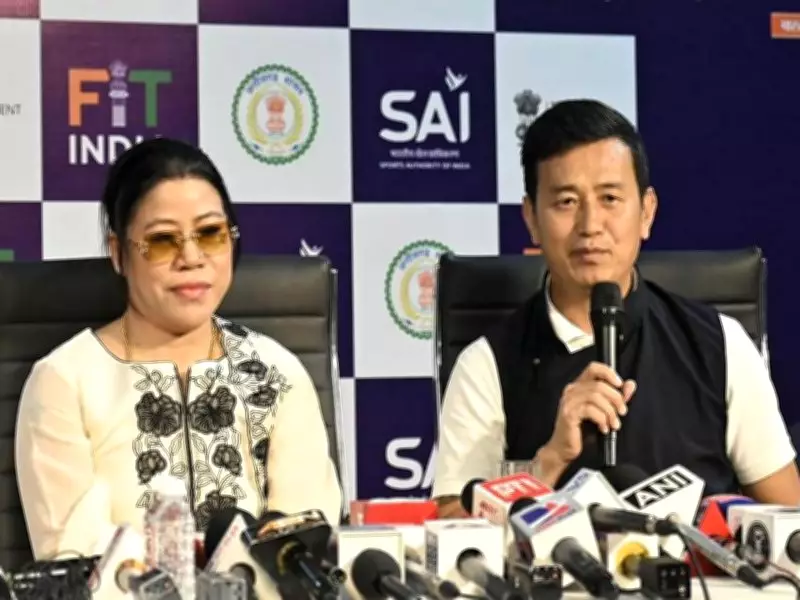
Mary Kom and Bhaichung Bhutia Champion Khelo India Tribal Games for Talent Development
In a significant push for sports inclusivity in India, boxing icon Mary Kom and football legend Bhaichung Bhutia have emphasized the crucial role of the Khelo India Tribal Games in bridging the gap between raw talent and sporting excellence. Their advocacy underscores a national effort to tap into the vast potential of athletes from tribal and remote communities, who often face barriers in accessing mainstream sports infrastructure and opportunities.
Unlocking Potential in Underserved Regions
Mary Kom, a six-time world champion and Olympic medalist, highlighted how the Khelo India Tribal Games serve as a vital platform for identifying and nurturing talent from India's tribal heartlands. "Many gifted athletes in these areas lack exposure and resources," she noted, stressing that such initiatives can provide the necessary support to transform local heroes into national champions. Similarly, Bhaichung Bhutia, a former captain of the Indian football team, pointed out that these games foster a sense of inclusion and empowerment, helping to integrate diverse communities into the country's sporting fabric.
Strategic Importance for National Sports
The Khelo India Tribal Games, launched under the broader Khelo India scheme by the Government of India, aim to promote sports at the grassroots level, with a specific focus on tribal youth. Key aspects of the program include:

- Infrastructure Development: Building sports facilities in remote areas to ensure accessibility.
- Training and Coaching: Providing professional guidance to help athletes refine their skills.
- Competitive Exposure: Organizing events that allow participants to compete at higher levels.
- Holistic Support: Offering nutritional, educational, and financial assistance to sustain athletic careers.
Bhutia emphasized that by addressing these elements, the games can create a pipeline of talent that feeds into national teams, thereby enhancing India's performance on the global stage. "It's about giving every child a fair chance to shine," he remarked, advocating for sustained investment in such programs.
Broader Impact on Society and Culture
Beyond sports, Mary Kom and Bhutia highlighted the socio-cultural benefits of the Khelo India Tribal Games. They argued that by celebrating tribal sports and traditions, the initiative helps preserve indigenous heritage while promoting physical fitness and teamwork among youth. This, in turn, can lead to improved health outcomes, reduced dropout rates in education, and greater social cohesion in marginalized communities.
In conclusion, the endorsements from Mary Kom and Bhaichung Bhutia reinforce the transformative potential of the Khelo India Tribal Games. By connecting talent with excellence, these efforts not only aim to produce future champions but also to build a more inclusive and vibrant sporting ecosystem across India. As the program expands, it holds promise for unlocking a new era of athletic achievement rooted in diversity and opportunity.