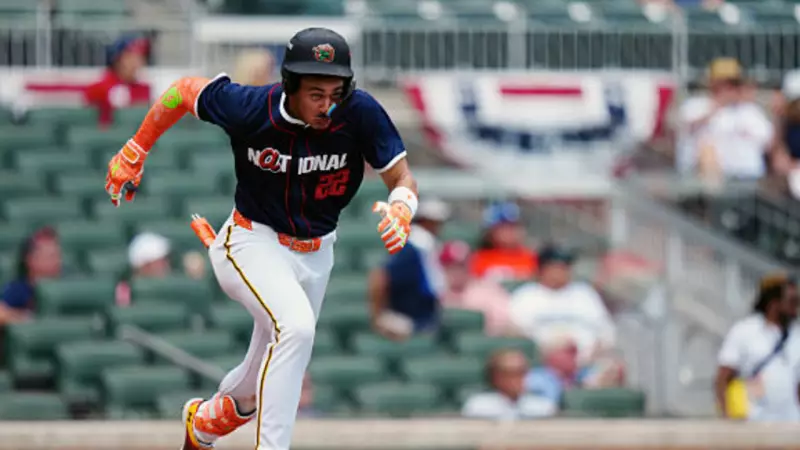
Each year, the release of Major League Baseball prospect rankings provides fans with an exciting preview of the sport's future stars. These comprehensive evaluations represent far more than simple lists of names—they serve as strategic roadmaps highlighting which organizations are cultivating exceptional talent behind the scenes through deliberate, forward-thinking approaches.
The Strategic Value of Prospect Depth in Modern Baseball
The latest assessment of baseball's Top 100 prospects has once again drawn attention to franchises that have been accumulating young talent at remarkable efficiency. Having five or more players featured on this prestigious list isn't merely a statistical achievement—it reflects sophisticated organizational philosophies centered around intelligent drafting, patient development cycles, and clearly defined long-term planning.
For these forward-looking teams, current standings represent only part of the picture. Their true focus remains on constructing sustainable competitive rosters that can contend for championships year after year, building their foundations one promising prospect at a time.

Why Multiple Top 100 Prospects Create Organizational Advantages
A farm system that consistently produces several Top 100 prospects communicates significant strategic advantages. In baseball, organizational depth carries tremendous importance that extends beyond simple roster numbers.
These prospect-rich organizations typically develop players across multiple categories:
- Future Everyday Stars: Prospects with the potential to become franchise cornerstones
- Reliable Contributors: Players projected to provide solid everyday production
- Valuable Trade Assets: Prospects who could become key pieces in strategic transactions
This multi-layered talent pool functions as both an offensive weapon and a defensive safety net, providing organizations with flexibility during inevitable roster challenges and opportunities.
Teams Establishing New Standards for Sustainable Success
The organizations featured prominently in current prospect evaluations aren't necessarily those spending the most on Major League payrolls. Instead, they're investing more significantly in scouting infrastructure, player development systems, and long-term vision.
Their competitive distinction manifests through patience—measuring progress across seasons rather than weeks, and trusting developmental processes that transform raw talent into polished Major League contributors.
Organizations Leading the Prospect Development Revolution
Several teams currently stand out for their exceptional prospect depth according to the latest rankings:
- Seattle Mariners (7 prospects) – Leading all organizations with seven Top 100 talents
- Cleveland Guardians (5 prospects)
- Pittsburgh Pirates (5 prospects)
- Miami Marlins (5 prospects)
- Los Angeles Dodgers (5 prospects)
- Milwaukee Brewers (5 prospects)
- St. Louis Cardinals (5 prospects)
- Chicago White Sox (5 prospects)
These organizations demonstrate remarkable patience with their prospect development timelines. The rewards from these investments aren't always immediately visible on the field, but materialize gradually as each prospect earns promotion to the Major League roster.
The Seattle Mariners exemplify this strategic approach most dramatically, having cultivated seven of baseball's Top 100 prospects through their system. This remarkable concentration of young talent positions them exceptionally well for sustained future competitiveness.
The Long-Term Competitive Benefits of Prospect Development
In the broader strategic landscape, teams loaded with Top 100 prospects gain significant advantages beyond simple talent accumulation. These organizations can compete more effectively without relying on expensive free-agent shopping sprees during each offseason.
Homegrown players developed through organizational systems typically provide better financial value while fostering stronger connections with fan bases who appreciate watching local talent develop into Major League stars.

Today's prospect rankings essentially preview tomorrow's Major League lineups. For organizations strategically building through prospect development, the future of competitive baseball isn't a distant possibility—it's already unfolding within their minor league systems, one talented player at a time.