MLB's Young Talent: Contrasting Financial Journeys of Horton and Baldwin
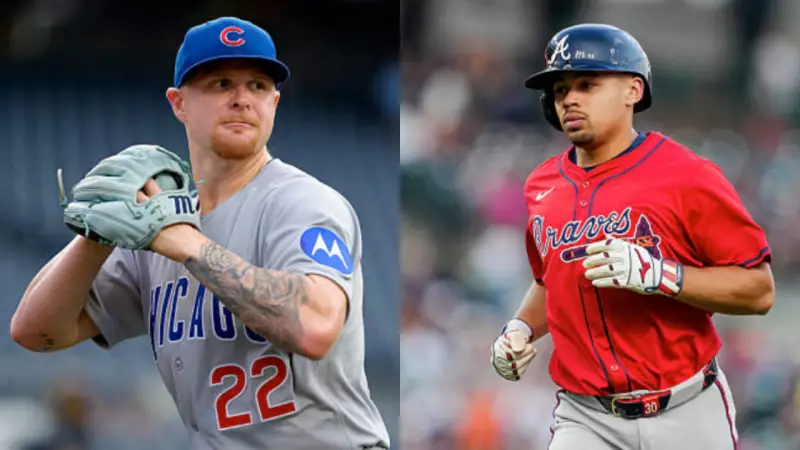
Two young players are making their way through Major League Baseball, but their financial stories could not be more different. Cade Horton, a pitcher for the Chicago Cubs, and Drake Baldwin, a catcher for the Atlanta Braves, are both in the early stages of their professional careers. While neither has reached star-level earnings yet, their contracts, bonuses, and potential future value paint a clear picture of how MLB careers begin to take shape.
This comparison is not about massive salaries at this point. Instead, it focuses on where they were drafted, the money offered to sign them, and how each might turn their current opportunities into long-term, sustainable income. Their paths illustrate the varied entry points into America's pastime.
Cade Horton's Lucrative Start with the Chicago Cubs
Cade Horton entered professional baseball with significant financial advantages. The Chicago Cubs selected him as the seventh overall pick in the 2022 MLB Draft. This high draft position came with a substantial signing bonus of approximately $4.4 million. That bonus represents the largest guaranteed money Horton has received in his career so far.

Horton made his major league debut in 2025 after developing in the minor leagues. He now earns a pre-arbitration salary close to the league minimum, around $800,000 per year. As a pitcher viewed as having high potential, his future income hinges directly on his performance and health. Success on the mound will quickly translate into increased earnings through arbitration and potential long-term contracts.
Drake Baldwin's Steady Climb with the Atlanta Braves
Drake Baldwin's professional journey began very differently. The Atlanta Braves catcher entered baseball with a considerably lower signing bonus than Horton received, though it was still a good amount for a minor-league player. Baldwin has been moving between different levels in the Braves organization, a common path for young catchers who must master both defensive and offensive skills.
His MLB income currently comes from pre-arbitration contracts. When on the active roster, Baldwin's salary is nearly at the league minimum. He has not yet secured significant prize money or landed major endorsement deals. His brand value remains in its early stages. Baldwin's financial progression will likely be slower, relying on accumulated service time, demonstrated value behind the plate, and eventual entry into the arbitration process.
The contrast between these two players highlights how draft position creates immediate financial divergence in MLB. Horton's top-ten pick status provided a major head start, while Baldwin's path requires more gradual building. Both represent the early financial realities of professional baseball, where initial bonuses and early salaries set the stage for future negotiations. Their careers will be worth watching as they attempt to convert their talents into lasting major league success and the financial rewards that come with it.