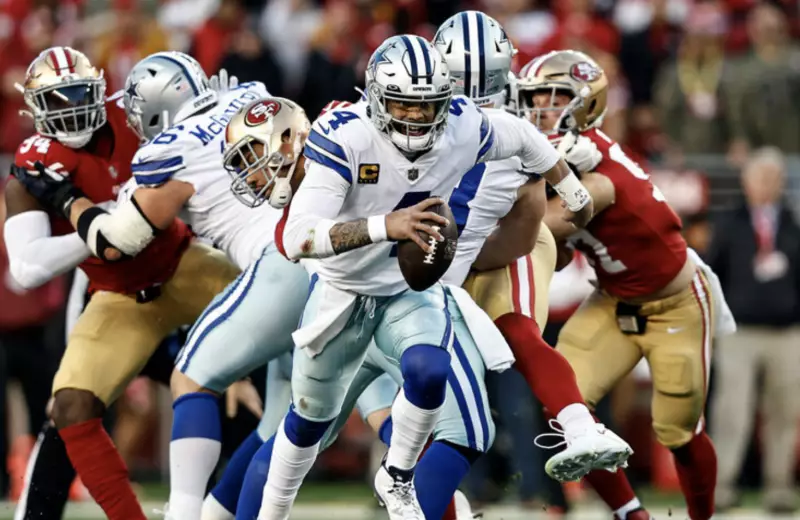
The curtain falls on the grueling NFL regular season, making way for the league's most intense and unforgiving chapter: the playoffs. As the 2025 campaign concludes, the spotlight shifts to the postseason, a high-stakes tournament that rewards consistency, squad depth, and unflappable nerve under pressure. Here is a detailed look at how the NFL playoffs function and what every fan needs to know before the action kicks off in January.
NFL Playoff Teams and Seeding: The Road to 14
The NFL playoff field now includes 14 teams, a structure adopted in 2020. This means seven teams from each conference—the American Football Conference (AFC) and the National Football Conference (NFC)—earn the right to compete for the Lombardi Trophy. These qualifiers are split into two distinct groups.
First, the four division champions from the North, South, East, and West in each conference secure automatic berths. They are joined by three wild-card teams from each conference, which are the non-division winners with the best win-loss records.

After the regular season, teams in each conference are ranked from seed 1 to seed 7 based primarily on their win-loss tally, with tiebreakers deciding any deadlocks. The ultimate prize in the seeding race is the No. 1 seed, which comes with a critical first-round bye and home-field advantage throughout the conference playoffs. With only one team per conference receiving a bye, the fight for the top spot is more crucial than ever.
Wild Card Weekend and the Reseeding System
The playoffs ignite with a thrilling three-day event known as Wild Card Weekend. The matchups are fixed based on the seeding:
- The No. 2 seed hosts the No. 7 seed.
- The No. 3 seed faces the No. 6 seed at home.
- The No. 4 seed welcomes the No. 5 seed.
In every game, the team with the higher seed enjoys the home-field advantage. The top-seeded team rests and watches as the other six battle for survival. Once the Wild Card round concludes, the playoff bracket resees itself. This means the remaining highest seed (No. 1) will play the lowest surviving seed in the next round, while the other two winners face each other, with the higher seed hosting. This system is designed to reward regular-season success by theoretically providing an easier path.
The Final Hurdle: Conference Championships and Super Bowl LX
The tournament narrows down to the Conference Championship Games, where the two best teams in the AFC and NFC clash. The higher-seeded team hosts these pivotal contests. The victors are crowned conference champions and earn the right to advance to the season's grand finale: the Super Bowl.
The Super Bowl is played at a predetermined neutral venue. For the 2025-26 season, Super Bowl LX is scheduled for February 8, 2026. It represents the culmination of months of fierce competition.
The NFL playoffs are distinct for their single-elimination nature. Unlike series-based formats in other sports, there are no second chances. A single bad performance, a key injury, or one missed opportunity can abruptly end a team's championship dreams. This format, with its expanded wild cards, limited byes, and reseeding, is crafted to ensure every January delivers high-stakes drama and unforgettable moments. As the regular season's final week approaches, every single play carries immense weight in shaping this narrow, cutthroat, and deliberately thrilling path to glory.